1: पीसीओडी / पीसीओएस का परिचय (Introduction to PCOD / PCOS)
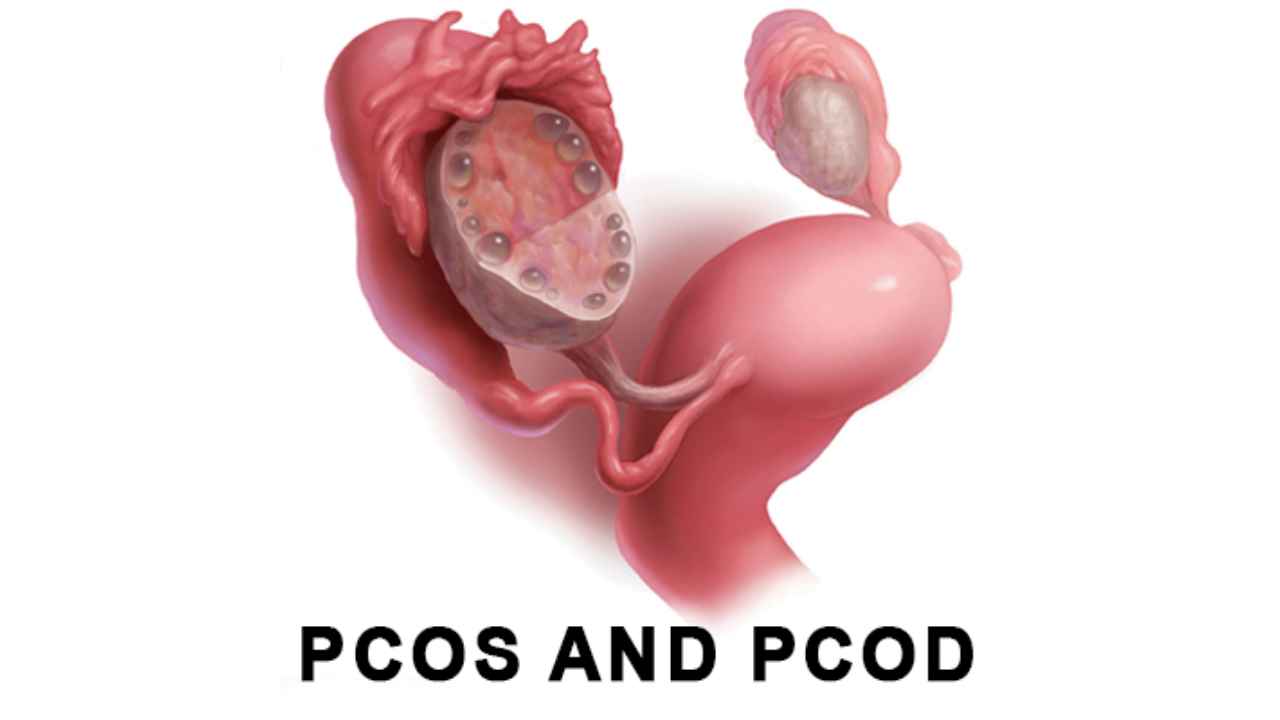
पॉलीसिस्टिक ओवेरियन डिजीज (PCOD) और पॉलीसिस्टिक ओवरी सिंड्रोम (PCOS) दुनिया भर में महिलाओं को, खासकर उनके प्रजनन वर्षों के दौरान, प्रभावित करने वाले सबसे सामान्य हार्मोनल विकारों में से दो हैं। ये स्थितियाँ, हालांकि अक्सर भ्रमित होती हैं, इनकी विशिष्ट विशेषताएँ हैं। PCOD मुख्य रूप से एक ऐसी स्थिति है जहाँ प्रजनन हार्मोन में असंतुलन के कारण अंडाशय में कई छोटी पुटिकाएँ (Cysts) विकसित हो जाती हैं। दूसरी ओर, PCOS एक अधिक जटिल सिंड्रोम है जिसमें हार्मोनल असंतुलन, मेटाबॉलिक चुनौतियाँ, और अनियमित मासिक धर्म चक्र शामिल हैं। यदि इन स्थितियों का ठीक से प्रबंधन नहीं किया जाता है, तो ये एक महिला के समग्र स्वास्थ्य, प्रजनन क्षमता और जीवन की गुणवत्ता पर महत्वपूर्ण प्रभाव डाल सकती हैं।
व्यापकता और जोखिम (Prevalence and Risk)
विश्व स्तर पर, यह अनुमान लगाया गया है कि प्रजनन आयु की 5-10% महिलाएँ PCOS से पीड़ित हैं, जबकि कुछ क्षेत्रों में PCOD लगभग 20% महिलाओं को प्रभावित करता है। भारत में, जीवनशैली में बदलाव, तनाव और आहार पैटर्न के कारण PCOD/PCOS की व्यापकता बढ़ती जा रही है। गोरखपुर जैसे शहरों और कस्बों में, इन स्थितियों के बारे में जागरूकता बढ़ने के कारण अधिक महिलाएँ चिकित्सा सहायता ले रही हैं। शीघ्र पता लगाना और प्रबंधन महत्वपूर्ण है, क्योंकि अनुपचारित PCOD/PCOS से बाँझपन, मधुमेह, हृदय रोग और मोटापा-संबंधित समस्याओं सहित गंभीर स्वास्थ्य जटिलताएँ हो सकती हैं।
लक्षण और प्रभाव (Symptoms and Impact)
PCOD/PCOS के लक्षण विविध हैं और एक महिला से दूसरी महिला में भिन्न हो सकते हैं। कुछ महिलाओं को अनियमित मासिक धर्म चक्र या माहवारी की पूर्ण अनुपस्थिति का अनुभव हो सकता है, जबकि अन्य को चेहरे और शरीर पर अत्यधिक बाल उगना (Hirsutism), लगातार मुँहासे (Acne), या अचानक वजन बढ़ना हो सकता है। भावनात्मक स्वास्थ्य भी प्रभावित होता है, क्योंकि महिलाएँ अक्सर हार्मोनल परिवर्तनों और शारीरिक दिखावट से संबंधित मिजाज में बदलाव, चिंता और अवसाद की रिपोर्ट करती हैं। इसके सामान्य होने के बावजूद, कई महिलाएँ इन लक्षणों को जल्दी नहीं पहचान पाती हैं, जिससे उपचार में देरी होती है और जटिलताओं का खतरा बढ़ जाता है।
होम्योपैथी: एक प्राकृतिक समाधान (Homeopathy: A Natural Solution)
होम्योपैथी PCOD/PCOS को स्वाभाविक रूप से प्रबंधित करने के लिए एक अत्यधिक प्रभावी दृष्टिकोण के रूप में उभरी है। पारंपरिक उपचारों के विपरीत, जो अक्सर लक्षणों को दबाने पर ध्यान केंद्रित करते हैं, होम्योपैथी हार्मोनल असंतुलन के मूल कारण को लक्षित करती है। गोरखपुर में 35 वर्षों से अधिक के अनुभव के साथ एक प्रमुख होम्योपैथी डॉक्टर, डॉ. ए के मिश्रा, PCOD/PCOS के उपचार में विशेषज्ञ हैं। उनका दृष्टिकोण महिलाओं को हार्मोनल संतुलन बहाल करने, मासिक धर्म चक्र को विनियमित करने और समग्र स्वास्थ्य में सुधार करने में मदद करने के लिए व्यक्तिगत उपचारों, जीवनशैली मार्गदर्शन और आहार संबंधी सिफारिशों को जोड़ता है।
डॉ. मिश्रा का समग्र दृष्टिकोण (Dr. Mishra’s Holistic Approach)
डॉ. मिश्रा के क्लिनिक में, प्रत्येक रोगी का चिकित्सा इतिहास, जीवनशैली कारकों और हार्मोनल पैटर्न की समीक्षा सहित एक विस्तृत मूल्यांकन किया जाता है। यह समग्र मूल्यांकन सुनिश्चित करता है कि निर्धारित होम्योपैथिक उपचार व्यक्ति की अद्वितीय आवश्यकताओं के अनुरूप हो। रोगियों ने अनियमित माहवारी, मुँहासे, अत्यधिक बाल उगना और वजन बढ़ने जैसे लक्षणों में महत्वपूर्ण सुधार की सूचना दी है। इसके अतिरिक्त, होम्योपैथिक उपचार प्रजनन क्षमता का समर्थन करता है, जिससे यह गर्भधारण की योजना बनाने वाली महिलाओं के लिए एक पसंदीदा विकल्प बन जाता है।
भावनात्मक और दीर्घकालिक लाभ (Emotional and Long-Term Benefits)
PCOD/PCOS के मनोवैज्ञानिक प्रभाव को कम करके नहीं आंका जा सकता। मुँहासे और हर्सुटिज़्म (अत्यधिक बाल उगना) जैसे दृश्यमान लक्षणों के कारण कई महिलाएँ तनाव, कम आत्मसम्मान और सामाजिक चिंता का अनुभव करती हैं। डॉ. मिश्रा का उपचार दृष्टिकोण हार्मोनल संतुलन का समर्थन करके और योग, ध्यान और तनाव प्रबंधन तकनीकों जैसी जीवनशैली प्रथाओं को प्रोत्साहित करके भावनात्मक कल्याण को भी संबोधित करता है। यह व्यापक देखभाल सुनिश्चित करती है कि शारीरिक और मानसिक स्वास्थ्य दोनों में एक साथ सुधार हो।
होम्योपैथिक उपचार का एक अन्य लाभ इसका प्राकृतिक और दुष्प्रभाव-मुक्त होना है। पारंपरिक दवाओं के विपरीत, जो यकृत और गुर्दे के कार्य में हस्तक्षेप कर सकती हैं या दीर्घकालिक हार्मोनल व्यवधान पैदा कर सकती हैं, होम्योपैथी शरीर के प्राकृतिक उपचार तंत्र के साथ कोमलता से काम करती है। यह न केवल लक्षणों का उपचार करती है बल्कि समग्र शक्ति और प्रतिरक्षा को भी बढ़ाती है, जिससे महिलाओं को PCOD/PCOS का दीर्घकालिक प्रभावी ढंग से प्रबंधन करने में मदद मिलती है।
निष्कर्ष (Conclusion)
PCOD/PCOS एक व्यापक हार्मोनल विकार है जिसका महिलाओं के शारीरिक, भावनात्मक, और प्रजनन स्वास्थ्य पर महत्वपूर्ण प्रभाव पड़ता है। शीघ्र पता लगाना, एक समग्र उपचार दृष्टिकोण के साथ मिलकर, लक्षणों को प्रभावी ढंग से प्रबंधित कर सकता है और जटिलताओं के जोखिम को कम कर सकता है। डॉ. ए के मिश्रा जैसे अनुभवी चिकित्सकों के मार्गदर्शन में होम्योपैथी, PCOD/PCOS से दीर्घकालिक राहत चाहने वाली महिलाओं के लिए एक सुरक्षित, प्राकृतिक और व्यक्तिगत समाधान प्रदान करती है।
डॉ. ए के मिश्रा, गोरखपुर के प्रमुख होम्योपैथी डॉक्टर, द्वारा उपचार: डॉ. मिश्रा हार्मोनल संतुलन बहाल करने और जीवन की गुणवत्ता में सुधार के लिए व्यक्तिगत होम्योपैथिक उपचारों, जीवनशैली मार्गदर्शन, और पोषण संबंधी सहायता पर ध्यान केंद्रित करते हैं। 35 से अधिक वर्षों के अनुभव के साथ, उन्होंने कई रोगियों का सफलतापूर्वक उपचार किया है, जिससे उन्हें स्वाभाविक रूप से नियमित चक्र, कम लक्षण, और बेहतर प्रजनन क्षमता प्राप्त करने में मदद मिली है।
2: पीसीओडी / पीसीओएस के कारण (Causes of PCOD / PCOS)
पॉलीसिस्टिक ओवेरियन डिजीज (PCOD) और पॉलीसिस्टिक ओवरी सिंड्रोम (PCOS) जटिल स्थितियाँ हैं जो कई आपस में जुड़े कारणों से उत्पन्न होती हैं। प्रभावी प्रबंधन और उपचार के लिए इन कारणों को समझना आवश्यक है। हालाँकि प्रत्येक महिला के लिए सटीक कारण हमेशा समान नहीं होता है, वैज्ञानिक अध्ययनों और नैदानिक अवलोकनों ने PCOD/PCOS के विकास में योगदान करने वाले कई प्रमुख कारकों की पहचान की है।
1. हार्मोनल असंतुलन (Hormonal Imbalance)
हार्मोनल असंतुलन PCOD/PCOS का प्राथमिक कारण है। इस स्थिति वाली महिलाओं में अक्सर उनके शरीर में एण्ड्रोजन (पुरुष हार्मोन) का बढ़ा हुआ स्तर होता है, जो सामान्य ओव्यूलेशन प्रक्रिया को बाधित करता है। ल्यूटिनाइजिंग हार्मोन (LH) और फॉलिकल-स्टिम्युलेटिंग हार्मोन (FSH) के बीच असंतुलन अंडाशय को नियमित रूप से अंडे जारी करने से रोकता है, जिससे कई छोटी पुटिकाओं का निर्माण होता है।
एक अन्य हार्मोनल कारक इंसुलिन प्रतिरोध है, जहाँ शरीर की कोशिकाएँ इंसुलिन के प्रति प्रभावी ढंग से प्रतिक्रिया करने में विफल रहती हैं। यह स्थिति अग्न्याशय (Pancreas) को अधिक इंसुलिन का उत्पादन करने के लिए मजबूर करती है, जो एण्ड्रोजन उत्पादन को बढ़ाता है और अंडाशय की शिथिलता (Ovarian dysfunction) में योगदान देता है। इंसुलिन प्रतिरोध मोटापे और मेटाबॉलिक सिंड्रोम से निकटता से जुड़ा हुआ है, जिससे PCOD/PCOS के उपचार में हार्मोनल नियमन महत्वपूर्ण हो जाता है।
2. आनुवंशिक प्रवृत्ति (Genetic Predisposition)
PCOD/PCOS में आनुवंशिकी एक महत्वपूर्ण भूमिका निभाती है। इन स्थितियों के पारिवारिक इतिहास वाली महिलाओं को इनके विकसित होने का अधिक जोखिम होता है। अध्ययनों से पता चला है कि यदि माँ या बहन को PCOD या PCOS है, तो परिवार की अन्य महिला सदस्य के प्रभावित होने की संभावना काफी बढ़ जाती है। आनुवंशिक प्रवृत्ति प्रभावित करती है कि अंडाशय हार्मोन के प्रति कैसे प्रतिक्रिया करते हैं और शरीर इंसुलिन का चयापचय कैसे करता है, जो इस सिंड्रोम की शुरुआत में योगदान कर सकता है।
3. जीवनशैली कारक (Lifestyle Factors)
आधुनिक जीवनशैली में बदलावों ने PCOD/PCOS के बढ़ते प्रचलन में महत्वपूर्ण योगदान दिया है, खासकर शहरी आबादी के बीच। बैठे रहने वाला व्यवहार (Sedentary behavior), अनियमित खान-पान और उच्च कैलोरी वाले आहार प्रमुख योगदानकर्ता हैं। प्रसंस्कृत खाद्य पदार्थ, शर्करा युक्त स्नैक्स, और फास्ट फूड का सेवन मोटापे और इंसुलिन प्रतिरोध के जोखिम को बढ़ाता है, ये दोनों ही PCOD के लक्षणों को बढ़ाते हैं।
तनाव एक अन्य जीवनशैली से संबंधित कारक है जो PCOD/PCOS को बदतर बनाता है। पुरानी तनाव कोर्टिसोल के स्तर को प्रभावित करता है, जो बदले में प्रजनन हार्मोन के संतुलन को बाधित करता है। खराब नींद पैटर्न, अत्यधिक कार्यभार, और भावनात्मक तनाव स्थिति को और भी खराब कर देते हैं, जिससे जीवनशैली प्रबंधन उपचार का एक महत्वपूर्ण हिस्सा बन जाता है।
4. पर्यावरणीय कारक (Environmental Factors)
पर्यावरण कारक और एंडोक्राइन-बाधित करने वाले रसायनों (EDCs) के संपर्क में आना PCOD/PCOS के विकास में भूमिका निभा सकता है। EDCs कीटनाशकों, प्लास्टिक और विभिन्न घरेलू उत्पादों में पाए जाते हैं, और वे शरीर में सामान्य हार्मोनल कार्य में हस्तक्षेप करते हैं। इन रसायनों के लंबे समय तक संपर्क में रहने से अंडाशय का कार्य बदल सकता है, एण्ड्रोजन का स्तर बढ़ सकता है और पुटिका निर्माण को ट्रिगर किया जा सकता है। भोजन और पानी में प्रदूषण और विषाक्त पदार्थ भी शरीर में ऑक्सीडेटिव तनाव और सूजन पैदा करके अप्रत्यक्ष रूप से योगदान करते हैं।
5. पुरानी सूजन (Chronic Inflammation)
हाल के शोध ने PCOD/PCOS में पुरानी निम्न-श्रेणी की सूजन की भूमिका पर प्रकाश डाला है। सूजन अंडाशय को एण्ड्रोजन का उत्पादन करने के लिए ट्रिगर करती है, जिससे ओव्यूलेशन बाधित होता है और इंसुलिन प्रतिरोध में योगदान होता है। PCOD/PCOS वाली महिलाएँ अक्सर सूजन के उच्च स्तर को प्रदर्शित करती हैं, जो मधुमेह और हृदय रोग जैसी दीर्घकालिक जटिलताओं के जोखिम को भी बढ़ाता है। इसलिए, आहार, व्यायाम और प्राकृतिक उपचारों के माध्यम से सूजन का प्रबंधन उपचार का एक आवश्यक हिस्सा है।
6. वजन और मोटापा (Weight and Obesity)
मोटापा PCOD/PCOS का कारण और परिणाम दोनों है। अतिरिक्त शरीर की चर्बी, खासकर पेट के आसपास, इंसुलिन प्रतिरोध और एण्ड्रोजन उत्पादन को बढ़ाती है, जो स्थिति को बदतर बनाता है। इसके विपरीत, PCOD से संबंधित हार्मोनल असंतुलन वजन बढ़ने का कारण बन सकता है, जिससे एक दुष्चक्र बनता है। इसलिए, आहार और जीवनशैली में बदलाव के माध्यम से स्वस्थ वजन बनाए रखना सिंड्रोम के प्रबंधन में महत्वपूर्ण है।
7. प्रारंभिक रजोदर्शन और यौवन कारक (Early Menarche and Pubertal Factors)
जिन महिलाओं को मासिक धर्म (रजोदर्शन) की शुरुआत जल्दी होती है, वे PCOD/PCOS के प्रति अधिक संवेदनशील हो सकती हैं। यौवन के दौरान तेजी से हार्मोनल परिवर्तन अंडाशय की शिथिलता को ट्रिगर कर सकते हैं और युवा महिलाओं को पुटिका निर्माण के लिए पूर्वनिर्धारित कर सकते हैं। यह प्रारंभिक हार्मोनल व्यवधान, आनुवंशिकी और जीवनशैली जैसे अन्य जोखिम कारकों के साथ मिलकर, जीवन में बाद में PCOD/PCOS विकसित होने की संभावना को बढ़ाता है।
8. इंसुलिन प्रतिरोध और मेटाबॉलिक सिंड्रोम (Insulin Resistance and Metabolic Syndrome)
इंसुलिन प्रतिरोध PCOD/PCOS में सबसे महत्वपूर्ण योगदानकर्ताओं में से एक है। जब कोशिकाएँ इंसुलिन के प्रति कम प्रतिक्रियाशील हो जाती हैं, तो अग्न्याशय इसकी उच्च मात्रा का उत्पादन करके क्षतिपूर्ति करता है। अतिरिक्त इंसुलिन एण्ड्रोजन उत्पादन को बढ़ावा देता है, ओव्यूलेशन को बाधित करता है, और वजन बढ़ने और मेटाबॉलिक विकारों के जोखिम को बढ़ाता है। PCOD/PCOS वाली कई महिलाएँ मेटाबॉलिक सिंड्रोम के लक्षण भी दिखाती हैं, जिसमें उच्च रक्तचाप, असामान्य कोलेस्ट्रॉल का स्तर, और ऊंचा रक्त शर्करा शामिल है—इन सभी को सावधानीपूर्वक प्रबंधन की आवश्यकता होती है।
9. बाहरी कारकों के कारण हार्मोनल व्यवधान (Hormonal Disruptions Due to External Factors)
कुछ दवाएँ, गर्भनिरोधक गोलियाँ, और दीर्घकालिक स्टेरॉयड का उपयोग भी हार्मोनल संतुलन को बाधित कर सकता है, संभावित रूप से PCOD/PCOS को ट्रिगर या बढ़ा सकता है। हालाँकि ये बाहरी कारक आनुवंशिक या जीवनशैली कारणों की तुलना में कम सामान्य हैं, वे दवाओं को शुरू करने या बंद करने से पहले स्वास्थ्य सेवा प्रदाता के साथ सावधानीपूर्वक निगरानी और परामर्श के महत्व पर प्रकाश डालते हैं।
10. कई कारकों का संयोजन (Combination of Multiple Factors)
PCOD/PCOS के अधिकांश मामले आनुवंशिक, जीवनशैली, हार्मोनल, और पर्यावरण कारकों के संयोजन से उत्पन्न होते हैं। सभी मामलों के लिए कोई एकल कारण जिम्मेदार नहीं है, यही कारण है कि एक व्यक्तिगत उपचार दृष्टिकोण आवश्यक है। इन कारकों के परस्पर क्रिया को समझना एक प्रभावी होम्योपैथिक उपचार योजना को डिजाइन करने में मदद करता है जो लक्षणों का स्वाभाविक रूप से प्रबंधन करते हुए मूल कारणों को संबोधित करती है।
डॉ. ए के मिश्रा, गोरखपुर के प्रमुख होम्योपैथी डॉक्टर, द्वारा उपचार: डॉ. ए के मिश्रा PCOD/PCOS के लिए एक समग्र उपचार दृष्टिकोण पर ध्यान केंद्रित करते हैं। उनकी पद्धति में शामिल हैं:
- व्यक्तिगत होम्योपैथिक उपचार: प्रत्येक रोगी के हार्मोनल स्तर, लक्षणों, और समग्र स्वास्थ्य के अनुरूप।
- जीवनशैली और आहार मार्गदर्शन: इंसुलिन प्रतिरोध को कम करने, वजन का प्रबंधन करने, और तनाव को नियंत्रित करने के लिए विशिष्ट सिफारिशें।
- जटिलताओं की रोकथाम: मेटाबॉलिक स्वास्थ्य, हार्मोनल संतुलन, और प्रजनन क्षमता से संबंधित कारकों की निगरानी।
- दीर्घकालिक समर्थन: प्रगति को ट्रैक करने, उपचारों को समायोजित करने और स्थायी सुधार सुनिश्चित करने के लिए नियमित अनुवर्ती कार्रवाई।
इस व्यापक दृष्टिकोण के माध्यम से, डॉ. मिश्रा ने गोरखपुर में कई PCOD/PCOS रोगियों का सफलतापूर्वक उपचार किया है, जिससे उन्हें हार्मोनल संतुलन, लक्षणों से राहत, और जीवन की बेहतर गुणवत्ता प्राप्त करने में मदद मिली है।
3: पीसीओडी / पीसीओएस के लक्षण (Symptoms of PCOD / PCOS)
पॉलीसिस्टिक ओवेरियन डिजीज (PCOD) और पॉलीसिस्टिक ओवरी सिंड्रोम (PCOS) लक्षणों की एक विस्तृत श्रृंखला के माध्यम से प्रकट होते हैं, जो अक्सर एक महिला से दूसरी महिला में भिन्न होते हैं। निदान और प्रभावी प्रबंधन के लिए इन लक्षणों को जल्दी पहचानना महत्वपूर्ण है। जबकि कुछ महिलाएँ हल्के संकेत अनुभव कर सकती हैं, अन्य को गंभीर लक्षणों का सामना करना पड़ सकता है जो उनके शारीरिक स्वास्थ्य, भावनात्मक कल्याण, और प्रजनन क्षमताओं को प्रभावित करते हैं।
1. अनियमित मासिक धर्म चक्र (Irregular Menstrual Cycles)
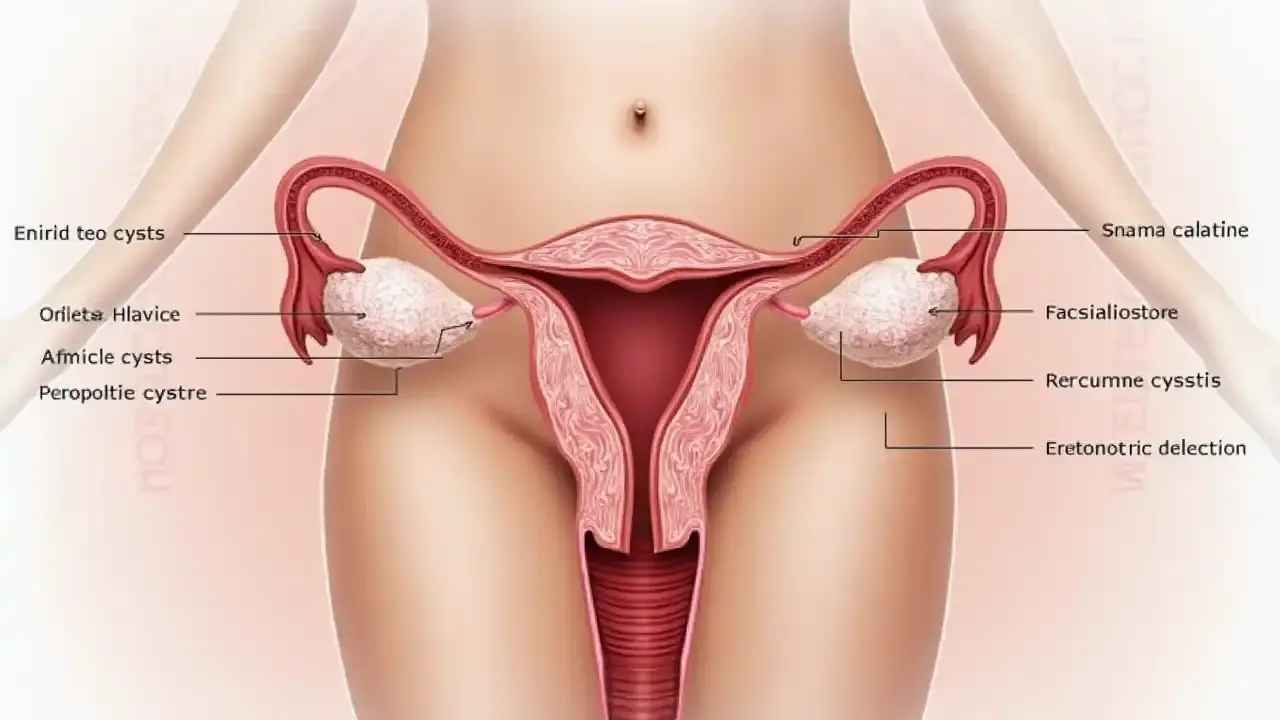
PCOD/PCOS का सबसे आम लक्षण मासिक धर्म चक्र में अनियमितता है। महिलाएँ माहवारी चूकना, देरी से चक्र, या सामान्य से छोटे या लंबे चक्र अनुभव कर सकती हैं। कुछ मामलों में, मासिक धर्म वर्ष में केवल कुछ ही बार हो सकता है, जो बाधित ओव्यूलेशन को इंगित कर सकता है। अनियमित माहवारी अक्सर पहला संकेत होता है कि प्रजनन प्रणाली के साथ कुछ गड़बड़ है, जिससे आगे चिकित्सा मूल्यांकन की आवश्यकता होती है।
यह अनियमितता हार्मोनल असंतुलन, विशेष रूप से बढ़े हुए एण्ड्रोजन और असामान्य LH/FSH अनुपात के कारण होती है, जो अंडाशय को लगातार अंडे जारी करने से रोकते हैं। समय के साथ, अनुपचारित अनियमित चक्रों से बाँझपन और एंडोमेट्रियल हाइपरप्लासिया जैसी अन्य जटिलताएँ हो सकती हैं।
2. अत्यधिक बाल उगना (Hirsutism)
अत्यधिक बाल उगना, जिसे हर्सुटिज़्म के रूप में भी जाना जाता है, PCOD/PCOS का एक और विशिष्ट लक्षण है। महिलाएँ चेहरे, छाती, पेट और पीठ पर अवांछित बाल देख सकती हैं। यह स्थिति अंडाशय और अधिवृक्क ग्रंथियों (Adrenal glands) द्वारा उत्पादित पुरुष हार्मोन (एण्ड्रोजन) के बढ़े हुए स्तर के कारण उत्पन्न होती है।
हर्सुटिज़्म एक महिला के आत्मसम्मान और आत्मविश्वास को महत्वपूर्ण रूप से प्रभावित कर सकता है। कई महिलाएँ दिखाई देने वाले बालों के विकास से शर्मिंदगी महसूस करती हैं, जिससे सामाजिक चिंता और भावनात्मक संकट भी हो सकता है। होम्योपैथिक उपचार, उचित जीवनशैली और आहार परिवर्तनों के साथ मिलकर, हार्मोनल स्तरों का प्रबंधन करने और समय के साथ अत्यधिक बाल विकास को कम करने में मदद करता है।
3. मुँहासे और त्वचा की समस्याएँ (Acne and Skin Problems)
PCOD/PCOS में लगातार मुँहासे, तैलीय त्वचा, और गर्दन, बगल और जांघों जैसे क्षेत्रों में त्वचा का काला पड़ना सामान्य है। हार्मोनल असंतुलन, विशेष रूप से उच्च एण्ड्रोजन स्तर, त्वचा में तेल उत्पादन को उत्तेजित करता है, जिससे छिद्र बंद हो जाते हैं और मुँहासे होते हैं।
इसके अतिरिक्त, त्वचा रंजकता (Skin pigmentation) के मुद्दे जैसे एकेन्थोसिस नाइग्रिकन्स—गर्दन और बगल के आसपास काले, मखमली धब्बे—दिखाई दे सकते हैं। ये त्वचा परिवर्तन अक्सर अंतर्निहित हार्मोनल व्यवधानों और इंसुलिन प्रतिरोध के दृश्य संकेतक के रूप में कार्य करते हैं, जो समय पर उपचार के महत्व पर प्रकाश डालते हैं।
4. वजन बढ़ना और वजन कम करने में कठिनाई (Weight Gain and Difficulty Losing Weight)
अस्पष्टीकृत वजन बढ़ना, खासकर पेट और जांघों के आसपास, PCOD/PCOS का एक प्रमुख लक्षण है। हार्मोनल असंतुलन और इंसुलिन प्रतिरोध वसा के संचय में योगदान करते हैं, जिससे वजन प्रबंधन चुनौतीपूर्ण हो जाता है। यहां तक कि जो महिलाएँ स्वस्थ आहार लेती हैं और नियमित रूप से व्यायाम करती हैं, उन्हें भी वजन कम करने के लिए संघर्ष करना पड़ सकता है।
वजन बढ़ना न केवल शारीरिक दिखावट को प्रभावित करता है बल्कि मधुमेह, उच्च रक्तचाप, और हृदय रोग विकसित होने के जोखिम को भी बढ़ाता है। PCOD/PCOS के प्रभावी प्रबंधन के लिए आहार संशोधनों, नियमित व्यायाम, और मेटाबॉलिक संतुलन बहाल करने और स्थायी वजन घटाने का समर्थन करने के लिए होम्योपैथिक उपचार के संयोजन की आवश्यकता होती है।
5. मिजाज में बदलाव और भावनात्मक गड़बड़ी (Mood Swings and Emotional Disturbances)
PCOD/PCOS वाली महिलाएँ अक्सर मिजाज में बदलाव, चिंता, अवसाद, और भावनात्मक अस्थिरता का अनुभव करती हैं। हार्मोनल उतार-चढ़ाव मस्तिष्क में न्यूरोट्रांसमीटर को प्रभावित करते हैं, जिससे मिजाज और भावनात्मक स्वास्थ्य में बदलाव आता है।
तनाव, दृश्यमान शारीरिक लक्षणों के कारण कम आत्मसम्मान, और सामाजिक दबाव इन भावनात्मक चुनौतियों को और बढ़ा सकते हैं। समग्र उपचार दृष्टिकोण, जैसे होम्योपैथी, न केवल शारीरिक लक्षणों पर बल्कि प्राकृतिक उपचारों और जीवनशैली मार्गदर्शन के माध्यम से मानसिक कल्याण में सुधार पर भी ध्यान केंद्रित करते हैं।
6. बाल पतले होना और बालों का झड़ना (Hair Thinning and Hair Loss)
जबकि कुछ क्षेत्रों में अत्यधिक बाल उगना होता है, खोपड़ी पर बाल पतले होना (एण्ड्रोजेनिक खालित्य) भी PCOD/PCOS में आम है। बढ़े हुए एण्ड्रोजन बालों के रोम को कमजोर करते हैं, जिससे धीरे-धीरे बाल झड़ने लगते हैं, खासकर खोपड़ी के सामने और शीर्ष पर।
होम्योपैथिक उपचार, पोषण संबंधी सहायता के साथ, बालों के रोम को मजबूत कर सकते हैं, बालों के झड़ने को कम कर सकते हैं, और स्वस्थ बालों के विकास को बढ़ावा दे सकते हैं। स्थायी बाल पतले होने को रोकने के लिए शीघ्र हस्तक्षेप महत्वपूर्ण है।
7. बाँझपन और गर्भधारण में कठिनाई (Infertility and Difficulty Conceiving)
PCOD/PCOS महिलाओं में बाँझपन के प्रमुख कारणों में से एक है। अनियमित ओव्यूलेशन या एनोव्यूलेशन (ओव्यूलेशन की अनुपस्थिति) स्वस्थ अंडे को जारी होने से रोकता है, जिससे गर्भधारण मुश्किल हो जाता है। महिलाएँ नियमित यौन गतिविधि के बावजूद गर्भधारण करने में कठिनाई अनुभव कर सकती हैं।
बाँझपन की चुनौतियाँ अक्सर भावनात्मक तनाव और चिंता को जन्म देती हैं। डॉ. ए के मिश्रा जैसे विशेषज्ञों द्वारा होम्योपैथिक उपचार ओव्यूलेशन बहाल करने, हार्मोन को विनियमित करने, और प्रजनन स्वास्थ्य में स्वाभाविक रूप से सुधार करने पर केंद्रित है, जिससे आक्रामक प्रक्रियाओं के बिना गर्भधारण की संभावना बढ़ जाती है।
8. थकान और कम ऊर्जा स्तर (Fatigue and Low Energy Levels)
PCOD/PCOS वाली महिलाओं द्वारा लगातार थकान और कम ऊर्जा स्तर की आमतौर पर रिपोर्ट की जाती है। हार्मोनल असंतुलन, इंसुलिन प्रतिरोध, और मेटाबॉलिक शिथिलता ऊर्जा का उपयोग करने में शरीर की दक्षता को कम कर देती है।
जीवनशैली हस्तक्षेप जैसे नियमित व्यायाम, पर्याप्त नींद, तनाव प्रबंधन, और एक संतुलित आहार, होम्योपैथिक उपचारों के साथ मिलकर, ऊर्जा के स्तर को बढ़ाने, चयापचय में सुधार करने, और समग्र जीवन शक्ति को बढ़ाने में मदद करते हैं।
9. पाचन संबंधी समस्याएँ और सूजन (Digestive Issues and Bloating)
PCOD/PCOS वाली कुछ महिलाएँ पाचन संबंधी असुविधा, सूजन, और अनियमित मल त्याग का अनुभव करती हैं। हार्मोनल असंतुलन गैस्ट्रोइंटेस्टाइनल प्रणाली को प्रभावित कर सकता है, जिससे कब्ज, पेट की असुविधा, और धीमा पाचन जैसी समस्याएँ हो सकती हैं।
होम्योपैथिक उपचार में अक्सर हार्मोनल नियमन के साथ-साथ पाचन स्वास्थ्य में सुधार के लिए उपचार शामिल होते हैं। फाइबर युक्त आहार और हाइड्रेशन के साथ मिलकर, यह दृष्टिकोण सूजन से राहत दिलाने और मेटाबॉलिक संतुलन का समर्थन करने में मदद करता है।
10. संयुक्त लक्षण पैटर्न (Combined Symptom Patterns)
यह ध्यान रखना महत्वपूर्ण है कि PCOD/PCOS के लक्षण अक्सर अलग-थलग होने के बजाय संयोजन में दिखाई देते हैं। उदाहरण के लिए, एक महिला एक साथ अनियमित माहवारी, वजन बढ़ना, मुँहासे, और मिजाज में बदलाव का अनुभव कर सकती है। सटीक निदान और प्रभावी उपचार के लिए संपूर्ण लक्षण पैटर्न को समझना महत्वपूर्ण है।
डॉ. ए के मिश्रा, गोरखपुर के प्रमुख होम्योपैथी डॉक्टर, द्वारा उपचार: डॉ. मिश्रा प्रत्येक रोगी की लक्षण प्रोफाइल के आधार पर एक व्यक्तिगत उपचार दृष्टिकोण पर जोर देते हैं। उनके होम्योपैथिक उपचारों को इसके लिए डिज़ाइन किया गया है:
- हार्मोनल संतुलन बहाल करना
- मासिक धर्म चक्र को विनियमित करना
- मुँहासे, हर्सुटिज़्म, और बाल पतले होने को कम करना
- प्रजनन क्षमता और प्रजनन स्वास्थ्य का समर्थन करना
- ऊर्जा के स्तर और भावनात्मक कल्याण में सुधार करना
डॉ. मिश्रा की देखभाल में रोगियों को उनकी अद्वितीय आवश्यकताओं के अनुरूप जीवनशैली और आहार मार्गदर्शन भी प्राप्त होता है। 35 से अधिक वर्षों के अनुभव के साथ, डॉ. मिश्रा ने गोरखपुर में PCOD/PCOS वाली कई महिलाओं को स्वाभाविक रूप से प्रबंधन करने में सफलतापूर्वक मदद की है, जिससे उन्हें दीर्घकालिक राहत और जीवन की बेहतर गुणवत्ता मिली है।
4: पीसीओडी / पीसीओएस का निदान (Diagnosis of PCOD / PCOS)
पॉलीसिस्टिक ओवेरियन डिजीज (PCOD) और पॉलीसिस्टिक ओवरी सिंड्रोम (PCOS) के प्रभावी प्रबंधन में सटीक निदान एक महत्वपूर्ण कदम है। शीघ्र पता लगाना न केवल लक्षणों को कम करने में मदद करता है, बल्कि बाँझपन, मधुमेह, मोटापा, और हृदय रोग जैसी दीर्घकालिक जटिलताओं को भी रोकता है। PCOD/PCOS का निदान चुनौतीपूर्ण हो सकता है क्योंकि लक्षण एक महिला से दूसरी महिला में व्यापक रूप से भिन्न होते हैं और अक्सर अन्य चिकित्सा स्थितियों के साथ ओवरलैप होते हैं। इसलिए, चिकित्सा इतिहास, शारीरिक परीक्षण, प्रयोगशाला परीक्षण, और इमेजिंग अध्ययनों के संयोजन वाला एक व्यापक मूल्यांकन आवश्यक है।
1. चिकित्सा इतिहास का आकलन (Medical History Assessment)
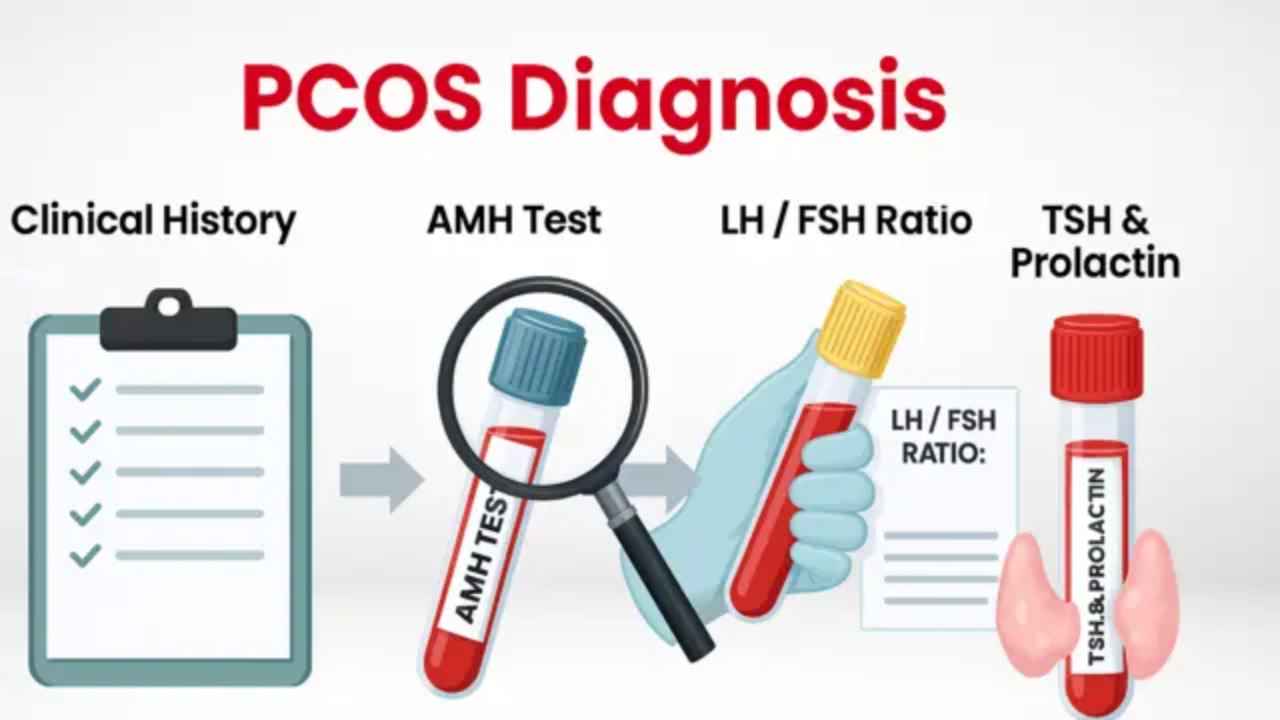
PCOD/PCOS के निदान में पहला कदम रोगी के चिकित्सा इतिहास का विस्तृत आकलन है। डॉक्टर मासिक धर्म पैटर्न, यौवन की शुरुआत, पिछली गर्भावस्थाओं, और हार्मोनल विकारों के किसी भी इतिहास का मूल्यांकन करते हैं। जीवनशैली, आहार, तनाव के स्तर, और PCOD/PCOS के पारिवारिक इतिहास के बारे में प्रश्न भी महत्वपूर्ण हैं।
- मासिक धर्म इतिहास: अनियमित, अनियमित, या अनुपस्थित माहवारी मुख्य संकेतक हैं। मासिक धर्म के समय, अवधि, और प्रवाह को सावधानीपूर्वक प्रलेखित किया जाता है।
- पारिवारिक इतिहास: आनुवंशिक प्रवृत्ति एक महत्वपूर्ण भूमिका निभाती है, इसलिए PCOD/PCOS, मधुमेह, या मेटाबॉलिक विकारों के पारिवारिक इतिहास को नोट किया जाता है।
- जीवनशैली और आहार: बैठे रहने वाली जीवनशैली, उच्च कैलोरी वाला आहार, और तनाव कारकों का विश्लेषण किया जाता है क्योंकि वे अक्सर हार्मोनल असंतुलन में योगदान करते हैं।
यह प्रारंभिक मूल्यांकन आगे के नैदानिक चरणों के लिए एक नींव प्रदान करता है और डॉक्टर को संभावित योगदान करने वाले कारकों को समझने में मदद करता है।
2. शारीरिक परीक्षण (Physical Examination)
एक शारीरिक परीक्षण PCOD/PCOS के दृश्यमान लक्षणों की पहचान करने में मदद करता है, जिसमें शामिल हैं:
- अत्यधिक बाल उगना (हर्सुटिज़्म): चेहरे, छाती, पेट, या पीठ पर अवांछित बालों की उपस्थिति।
- मुँहासे और त्वचा में परिवर्तन: तैलीय त्वचा, मुँहासे, और गर्दन, बगल, या जांघों के आसपास काले धब्बे (एकेन्थोसिस नाइग्रिकन्स)।
- शरीर का वजन और वसा वितरण: केंद्रीय मोटापा या पेट के आसपास वसा का संचय आमतौर पर आकलन किया जाता है।
- खोपड़ी के बाल पतले होना: एण्ड्रोजेनिक खालित्य या खोपड़ी पर बाल पतले होने के संकेतों का अवलोकन किया जाता है।
शारीरिक परीक्षण हार्मोनल असंतुलन की पुष्टि करने और उन लक्षणों की पहचान करने के लिए अतिरिक्त सुराग प्रदान करता है जो अकेले इतिहास से स्पष्ट नहीं हो सकते हैं।
3. रक्त परीक्षण (Blood Tests)
हार्मोनल असंतुलन की पुष्टि करने और मेटाबॉलिक स्वास्थ्य को समझने के लिए प्रयोगशाला जाँच आवश्यक हैं। PCOD/PCOS के निदान के लिए सामान्य रक्त परीक्षणों में शामिल हैं:
- हार्मोनल विश्लेषण: ल्यूटिनाइजिंग हार्मोन (LH), फॉलिकल-स्टिम्युलेटिंग हार्मोन (FSH), टेस्टोस्टेरोन, प्रोलैक्टिन, और थायराइड हार्मोन के स्तर को मापा जाता है। LH/FSH अनुपात में असंतुलन या बढ़े हुए एण्ड्रोजन स्तर PCOD/PCOS को इंगित करते हैं।
- इंसुलिन और ग्लूकोज परीक्षण: उपवास इंसुलिन और ग्लूकोज का स्तर इंसुलिन प्रतिरोध का पता लगाने में मदद करता है, जो PCOD/PCOS में एक सामान्य विशेषता है।
- लिपिड प्रोफाइल: कोलेस्ट्रॉल और ट्राइग्लिसराइड के स्तर का आकलन किया जाता है, क्योंकि मेटाबॉलिक गड़बड़ी अक्सर PCOD/PCOS से जुड़ी होती है।
- अन्य बायोकेमिकल मार्कर: यकृत कार्य परीक्षण और सूजन मार्कर का भी मूल्यांकन अन्य स्वास्थ्य समस्याओं को दूर करने के लिए किया जा सकता है।
ये परीक्षण न केवल PCOD/PCOS की उपस्थिति की पुष्टि करते हैं बल्कि संबंधित मेटाबॉलिक जोखिमों में भी अंतर्दृष्टि प्रदान करते हैं, एक व्यापक उपचार योजना का मार्गदर्शन करते हैं।
4. अल्ट्रासाउंड इमेजिंग (Ultrasound Imaging)
अल्ट्रासाउंड अंडाशय की आकृति विज्ञान (Ovarian morphology) का मूल्यांकन करने के लिए एक प्रमुख नैदानिक उपकरण है। यह पहचान करने में मदद करता है:
- अंडाशय में कई छोटी पुटिकाएँ: प्रत्येक अंडाशय में 12 या अधिक छोटे रोमों (Follicles) की उपस्थिति PCOD/PCOS का एक विशेष लक्षण है।
- अंडाशय का आकार: प्रभावित महिलाओं में बढ़े हुए अंडाशय आमतौर पर देखे जाते हैं।
- एंडोमेट्रियल मोटाई: गर्भाशय अस्तर (Uterine lining) का आकलन यह सुनिश्चित करता है कि अनियमित मासिक धर्म से कोई जटिलताएँ न हों।
ट्रांसवेजाइनल अल्ट्रासाउंड आमतौर पर अधिक सटीक परिणामों के लिए पसंद किया जाता है, खासकर वयस्क महिलाओं में। अल्ट्रासाउंड इमेजिंग, रक्त परीक्षणों के साथ मिलकर, अंडाशय और हार्मोनल स्वास्थ्य की एक व्यापक तस्वीर प्रदान करती है।
5. विभेदक निदान (Differential Diagnosis)
चूंकि PCOD/PCOS के लक्षण अन्य स्थितियों के साथ ओवरलैप होते हैं, इसलिए वैकल्पिक कारणों को दूर करना महत्वपूर्ण है। ऐसी स्थितियाँ जो PCOD/PCOS की नकल कर सकती हैं उनमें शामिल हैं:
- थायराइड विकार (हाइपोथायरायडिज्म या हाइपरथायरायडिज्म)
- हाइपरप्रोलैक्टिनीमिया
- जन्मजात अधिवृक्क हाइपरप्लासिया
- कुशिंग सिंड्रोम
विभेदक निदान यह सुनिश्चित करता है कि उपचार योजना विशेष रूप से PCOD/PCOS के लिए अनुरूप है और अनावश्यक या अप्रभावी हस्तक्षेपों से बचा जाता है।
6. जीवनशैली और लक्षण आकलन (Lifestyle and Symptom Assessment)
चिकित्सा और प्रयोगशाला जाँचों के साथ-साथ, डॉक्टर जीवनशैली पैटर्न और लक्षणों की गंभीरता का आकलन करते हैं। प्रमुख विचारों में शामिल हैं:
- आहार की आदतें: प्रसंस्कृत खाद्य पदार्थ, चीनी, और परिष्कृत कार्बोहाइड्रेट का उच्च सेवन इंसुलिन प्रतिरोध को खराब कर सकता है।
- शारीरिक गतिविधि: बैठे रहने वाली जीवनशैली मोटापा और मेटाबॉलिक असंतुलन में योगदान करती है।
- तनाव के स्तर: पुरानी तनाव हार्मोनल उतार-चढ़ाव और मासिक धर्म अनियमितताओं को बढ़ा सकता है।
- नींद के पैटर्न: खराब नींद इंसुलिन प्रतिरोध और वजन बढ़ने से जुड़ी हुई है।
इन कारकों को समझना डॉक्टर को उन जीवनशैली संशोधनों की सिफारिश करने की अनुमति देता है जो चिकित्सा या होम्योपैथिक उपचार के पूरक हैं।
7. डॉ. ए के मिश्रा द्वारा होम्योपैथिक नैदानिक दृष्टिकोण (Homeopathic Diagnostic Approach by Dr. A K Mishra)
गोरखपुर में एक प्रमुख होम्योपैथी डॉक्टर, डॉ. ए के मिश्रा, एक समग्र नैदानिक दृष्टिकोण का पालन करते हैं जो पारंपरिक परीक्षण से आगे जाता है। उनके मूल्यांकन में शामिल हैं:
- विस्तृत लक्षण विश्लेषण और रोगी का इतिहास
- भावनात्मक और मानसिक स्वास्थ्य आकलन, जिसमें तनाव, चिंता, और मिजाज में बदलाव शामिल हैं
- सबसे उपयुक्त होम्योपैथिक उपचार निर्धारित करने के लिए व्यक्तिगत संवैधानिक आकलन
यह व्यक्तिगत मूल्यांकन सुनिश्चित करता है कि होम्योपैथिक उपचार PCOD/PCOS के मूल कारण और विशिष्ट लक्षणों दोनों को संबोधित करता है।
8. शीघ्र निदान का महत्व (Importance of Early Diagnosis)
बाँझपन, मेटाबॉलिक सिंड्रोम, और हृदय संबंधी समस्याओं जैसी जटिलताओं को रोकने के लिए PCOD/PCOS का शीघ्र निदान महत्वपूर्ण है। जो महिलाएँ लक्षणों का जल्दी पता लगाती हैं और उनका प्रबंधन करती हैं, वे प्राप्त कर सकती हैं:
- नियमित मासिक धर्म चक्र
- बेहतर ओव्यूलेशन और प्रजनन क्षमता
- बेहतर वजन और मेटाबॉलिक नियंत्रण
- मुँहासे, हर्सुटिज़्म और अन्य शारीरिक लक्षणों में कमी
- बढ़ा हुआ भावनात्मक कल्याण
शीघ्र निदान एक सक्रिय उपचार योजना की अनुमति देता है, जिससे दीर्घकालिक स्वास्थ्य परिणाम में सुधार होता है।
9. अनुवर्ती और निगरानी (Follow-Up and Monitoring)
एक बार निदान स्थापित हो जाने के बाद, चल रही निगरानी आवश्यक है। नियमित अनुवर्ती मुलाकातें सुनिश्चित करती हैं:
- हार्मोनल स्तरों को ट्रैक किया जाता है
- लक्षण प्रगति का आकलन किया जाता है
- जीवनशैली संशोधनों को सुदृढ़ किया जाता है
- होम्योपैथिक उपचारों को प्रगति के आधार पर समायोजित किया जाता है
डॉ. मिश्रा स्थायी परिणाम प्राप्त करने और पुनरावृत्ति को रोकने के लिए लगातार अनुवर्ती कार्रवाई के महत्व पर जोर देते हैं।
10. सारांश (Summary)
PCOD/PCOS के निदान में एक बहु-आयामी दृष्टिकोण शामिल है: चिकित्सा इतिहास, शारीरिक परीक्षण, प्रयोगशाला परीक्षण, अल्ट्रासाउंड इमेजिंग, विभेदक निदान, और जीवनशैली आकलन। एक व्यक्तिगत मूल्यांकन सटीक निदान सुनिश्चित करता है, जिससे एक लक्षित और प्रभावी उपचार योजना बनाई जा सकती है।
डॉ. ए के मिश्रा, गोरखपुर के प्रमुख होम्योपैथी डॉक्टर, द्वारा उपचार: डॉ. मिश्रा एक समग्र उपचार योजना बनाने के लिए नैदानिक सटीकता को होम्योपैथिक विशेषज्ञता के साथ जोड़ते हैं जो:
- हार्मोन को स्वाभाविक रूप से संतुलित करता है
- मासिक धर्म चक्र को विनियमित करता है
- मुँहासे, हर्सुटिज़्म, और वजन बढ़ने जैसे लक्षणों को कम करता है
- प्रजनन क्षमता और भावनात्मक कल्याण का समर्थन करता है
उनकी देखभाल में महिलाएँ गोरखपुर में PCOD/PCOS का सफलतापूर्वक प्रबंधन कर चुकी हैं, जिससे हानिकारक दुष्प्रभावों के बिना दीर्घकालिक राहत प्राप्त हुई है।
5: अनुपचारित पीसीओडी / पीसीओएस की जटिलताएँ (Complications of Untreated PCOD / PCOS)
पॉलीसिस्टिक ओवेरियन डिजीज (PCOD) और पॉलीसिस्टिक ओवरी सिंड्रोम (PCOS) केवल ऐसी स्थितियाँ नहीं हैं जो मासिक धर्म अनियमितताएँ या कॉस्मेटिक चिंताएँ पैदा करती हैं; यदि अनुपचारित छोड़ दी जाती हैं, तो वे गंभीर स्वास्थ्य जटिलताओं की एक विस्तृत श्रृंखला को जन्म दे सकती हैं। इन दीर्घकालिक परिणामों को रोकने के लिए शीघ्र निदान और प्रभावी उपचार महत्वपूर्ण हैं। संभावित जटिलताओं को समझने से महिलाओं को समय पर कार्रवाई करने और अपने प्रजनन, मेटाबॉलिक, और समग्र स्वास्थ्य को प्राथमिकता देने में मदद मिलती है।
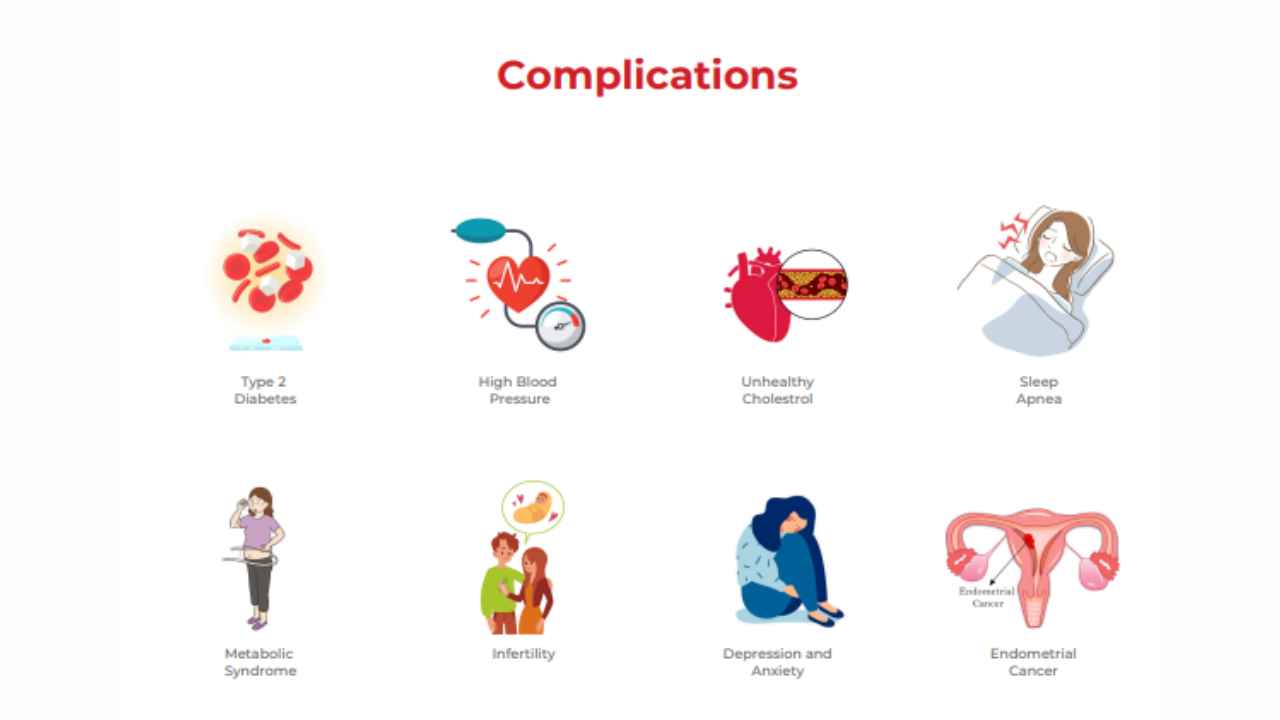
1. बाँझपन और गर्भधारण में कठिनाई (Infertility and Difficulty Conceiving)
अनुपचारित PCOD/PCOS की सबसे महत्वपूर्ण जटिलताओं में से एक बाँझपन है। अनियमित ओव्यूलेशन या ओव्यूलेशन की पूर्ण अनुपस्थिति (एनोव्यूलेशन) स्वस्थ अंडे को जारी होने से रोकती है, जिससे गर्भधारण मुश्किल हो जाता है। यदि स्थिति को समय पर संबोधित नहीं किया जाता है तो कई महिलाओं को स्वाभाविक रूप से गर्भधारण करने के लिए संघर्ष करना पड़ सकता है और उन्हें सहायता प्राप्त प्रजनन तकनीकों की आवश्यकता हो सकती है।
हार्मोनल असंतुलन, जैसे बढ़े हुए एण्ड्रोजन और इंसुलिन प्रतिरोध, प्रजनन चक्र को और बाधित करते हैं, अंडों की गुणवत्ता और गर्भाशय की ग्रहणशीलता को प्रभावित करते हैं। शीघ्र हस्तक्षेप, जीवनशैली संशोधन, और डॉ. ए के मिश्रा जैसे विशेषज्ञों द्वारा होम्योपैथिक उपचार ओव्यूलेशन को बहाल करने और प्रजनन क्षमता में स्वाभाविक रूप से सुधार करने में मदद कर सकते हैं।
2. मधुमेह और इंसुलिन प्रतिरोध का बढ़ा हुआ जोखिम (Increased Risk of Diabetes and Insulin Resistance)
इंसुलिन प्रतिरोध आमतौर पर PCOD/PCOS से जुड़ा होता है। जब शरीर की कोशिकाएँ इंसुलिन के प्रति प्रभावी ढंग से प्रतिक्रिया नहीं करती हैं, तो अग्न्याशय क्षतिपूर्ति के लिए अधिक इंसुलिन का उत्पादन करता है। यह अतिरिक्त इंसुलिन न केवल वजन बढ़ने और बढ़े हुए एण्ड्रोजन स्तर में योगदान देता है, बल्कि समय के साथ टाइप 2 मधुमेह के जोखिम को भी बढ़ाता है।
अनुपचारित PCOD/PCOS वाली महिलाओं में प्रीडायबिटीज और वयस्कता में पूर्ण रूप से मधुमेह विकसित होने का अधिक जोखिम होता है। रक्त शर्करा के स्तर की निगरानी करना, स्वस्थ आहार अपनाना, और होम्योपैथी के माध्यम से हार्मोनल संतुलन का प्रबंधन करना इस जोखिम को काफी हद तक कम कर सकता है।
3. हृदय रोग (Cardiovascular Diseases)
PCOD/PCOS का हृदय स्वास्थ्य पर सीधा प्रभाव पड़ सकता है। इन स्थितियों वाली महिलाएँ इसके प्रति अधिक संवेदनशील होती हैं:
- उच्च रक्तचाप (हाइपरटेंशन)
- असामान्य कोलेस्ट्रॉल का स्तर (उच्च एलडीएल, कम एचडीएल)
- एथेरोस्क्लेरोसिस (धमनियों का सख्त होना)
ये कारक सामूहिक रूप से दिल के दौरे, स्ट्रोक, और अन्य हृदय रोगों के जोखिम को बढ़ाते हैं। वजन का प्रबंधन करना, इंसुलिन प्रतिरोध को नियंत्रित करना, और संतुलित जीवनशैली बनाए रखना, होम्योपैथिक उपचार के साथ मिलकर, PCOD/PCOS वाली महिलाओं में हृदय स्वास्थ्य की रक्षा कर सकता है।
4. एंडोमेट्रियल हाइपरप्लासिया और कैंसर का खतरा (Endometrial Hyperplasia and Cancer Risk)
अनियमित मासिक धर्म चक्र, PCOD/PCOS की एक विशेषता, प्रोजेस्टेरोन के संतुलन प्रभाव के बिना गर्भाशय अस्तर (एंडोमेट्रियम) को एस्ट्रोजन के लंबे समय तक संपर्क में ला सकता है। यह स्थिति, जिसे एंडोमेट्रियल हाइपरप्लासिया के रूप में जाना जाता है, समय के साथ एंडोमेट्रियल कैंसर विकसित होने के जोखिम को बढ़ाती है।
होम्योपैथिक उपचार, आहार प्रबंधन, और मासिक धर्म चक्र की नियमित निगरानी इस जोखिम को कम कर सकती है। शीघ्र हस्तक्षेप सुनिश्चित करता है कि गर्भाशय अस्तर स्वस्थ रहे और संभावित जटिलताओं को कम करे।
5. मोटापा और मेटाबॉलिक विकार (Obesity and Metabolic Disorders)
अनुपचारित PCOD/PCOS अक्सर मोटापे, विशेष रूप से केंद्रीय मोटापे को जन्म देता है, जो इंसुलिन प्रतिरोध को बढ़ाता है और हार्मोनल असंतुलन को बढ़ाता है। यह मेटाबॉलिक समस्याओं की एक श्रृंखला को ट्रिगर कर सकता है, जिनमें शामिल हैं:
- उच्च रक्त शर्करा
- बढ़ा हुआ कोलेस्ट्रॉल और ट्राइग्लिसराइड्स
- फैटी लीवर रोग
- मेटाबॉलिक सिंड्रोम का बढ़ा हुआ जोखिम
मोटापा और मेटाबॉलिक विकार न केवल शारीरिक स्वास्थ्य को प्रभावित करते हैं, बल्कि भावनात्मक तनाव में भी योगदान करते हैं और जीवन की गुणवत्ता को कम करते हैं। होम्योपैथिक उपचार को व्यक्तिगत आहार और जीवनशैली में बदलाव के साथ एकीकृत करना महिलाओं को वजन का प्रबंधन करने और मेटाबॉलिक संतुलन को स्वाभाविक रूप से बहाल करने में मदद कर सकता है।
6. बाल और त्वचा की जटिलताएँ (Hair and Skin Complications)
अप्रबंधित PCOD/PCOS से लगातार त्वचा और बालों की समस्याएँ हो सकती हैं, जिनमें शामिल हैं:
- चेहरे और शरीर पर अत्यधिक बाल उगना (हर्सुटिज़्म)
- गंभीर मुँहासे और तैलीय त्वचा
- खोपड़ी पर बाल पतले होना या एण्ड्रोजेनिक खालित्य
ये कॉस्मेटिक चिंताएँ आत्म-सम्मान और मानसिक स्वास्थ्य को महत्वपूर्ण रूप से प्रभावित कर सकती हैं। होम्योपैथी रासायनिक उपचारों के दुष्प्रभावों के बिना स्वाभाविक रूप से हार्मोन को विनियमित करने, त्वचा के स्वास्थ्य में सुधार करने, और बालों के विकास को कम करने के लिए लक्षित समाधान प्रदान करती है।
7. भावनात्मक और मानसिक स्वास्थ्य के मुद्दे (Emotional and Mental Health Issues)
PCOD/PCOS के पुरानी लक्षण, जैसे वजन बढ़ना, मुँहासे, हर्सुटिज़्म, और बाँझपन, भावनात्मक तनाव, चिंता, और अवसाद को जन्म दे सकते हैं। हार्मोनल असंतुलन मस्तिष्क में न्यूरोट्रांसमीटर को और प्रभावित करता है, जिससे मिजाज में बदलाव और भावनात्मक अस्थिरता बढ़ जाती है।
अनुपचारित PCOD वाली महिलाएँ अक्सर कम आत्मविश्वास, सामाजिक चिंता, और लाचारी की भावना का अनुभव करती हैं। होम्योपैथिक उपचार न केवल शारीरिक स्वास्थ्य पर, बल्कि प्राकृतिक उपचारों और जीवनशैली मार्गदर्शन के माध्यम से संतुलित भावनात्मक स्थिति का समर्थन करते हुए मानसिक कल्याण पर भी ध्यान केंद्रित करता है।
8. नींद संबंधी विकार (Sleep Disorders)
अनिद्रा और स्लीप एपनिया सहित नींद में गड़बड़ी, अनुपचारित PCOD/PCOS वाली महिलाओं में तेजी से आम होती जा रही है। हार्मोनल असंतुलन और इंसुलिन प्रतिरोध प्राकृतिक नींद चक्र में हस्तक्षेप कर सकते हैं, जिससे थकान, एकाग्रता में कमी, और जीवन की खराब गुणवत्ता हो सकती है।
होम्योपैथिक उपचार, तनाव में कमी, और जीवनशैली संशोधनों के माध्यम से उचित प्रबंधन नींद की गुणवत्ता, ऊर्जा के स्तर, और समग्र स्वास्थ्य में सुधार करने में मदद करता है।
9. दीर्घकालिक प्रजनन क्षमता और गर्भावस्था जोखिम (Long-Term Fertility and Pregnancy Risks)
गर्भधारण के बाद भी, अनुपचारित PCOD/PCOS गर्भावस्था के दौरान जोखिमों को बढ़ा सकता है, जैसे:
- गर्भकालीन मधुमेह
- प्री-एक्लेमप्सिया (गर्भावस्था के दौरान उच्च रक्तचाप)
- गर्भपात या समय से पहले जन्म
होम्योपैथिक उपचार के माध्यम से गर्भधारण से पहले PCOD/PCOS का प्रभावी प्रबंधन स्वस्थ गर्भावस्था परिणामों को सुनिश्चित करता है और माँ और बच्चे दोनों के लिए जटिलताओं को कम करता है।
10. जटिलताओं को रोकने के लिए समग्र प्रबंधन (Holistic Management to Prevent Complications)
अनुपचारित PCOD/PCOS की जटिलताएँ शीघ्र निदान और समग्र प्रबंधन के महत्व पर प्रकाश डालती हैं। डॉ. ए के मिश्रा द्वारा अभ्यास की जाने वाली होम्योपैथी, इस स्थिति के प्रबंधन के लिए एक प्राकृतिक, व्यक्तिगत, और दुष्प्रभाव-मुक्त दृष्टिकोण प्रदान करती है।
डॉ. ए के मिश्रा, गोरखपुर के प्रमुख होम्योपैथी डॉक्टर, द्वारा उपचार:
- हार्मोनल संतुलन: सामान्य प्रजनन हार्मोन के स्तर को बहाल करने के लिए उपचार
- मेटाबॉलिक समर्थन: इंसुलिन प्रतिरोध, मोटापा, और लिपिड असंतुलन का प्रबंधन
- प्रजनन क्षमता में सुधार: ओव्यूलेशन और प्रजनन स्वास्थ्य का स्वाभाविक रूप से समर्थन करना
- त्वचा और बालों का स्वास्थ्य: मुँहासे, हर्सुटिज़्म, और बाल पतले होने के लिए उपचार
- भावनात्मक कल्याण: तनाव और मिजाज के नियमन के लिए जीवनशैली मार्गदर्शन के साथ होम्योपैथी
डॉ. मिश्रा की देखभाल में रोगियों ने लक्षणों में महत्वपूर्ण सुधार, बेहतर प्रजनन परिणाम, नियंत्रित वजन, और जीवन की बढ़ी हुई गुणवत्ता की सूचना दी है, जिससे PCOD/PCOS से जुड़ी दीर्घकालिक जटिलताओं को रोका जा सका है।
6: पीसीओडी / पीसीओएस के प्रबंधन के लिए जीवनशैली में बदलाव (Lifestyle Changes to Manage PCOD / PCOS)
पॉलीसिस्टिक ओवेरियन डिजीज (PCOD) और पॉलीसिस्टिक ओवरी सिंड्रोम (PCOS) का प्रबंधन करने के लिए केवल चिकित्सा उपचार की नहीं, बल्कि एक व्यापक और समग्र दृष्टिकोण की आवश्यकता होती है। जीवनशैली में बदलाव PCOD/PCOS के उपचार की आधारशिला हैं, क्योंकि वे हार्मोनल असंतुलन और इंसुलिन प्रतिरोध के मूल कारणों को सीधे प्रभावित करते हैं। गोरखपुर में डॉ. ए के मिश्रा द्वारा प्रदान किया गया होम्योपैथिक उपचार आहार, व्यायाम, और तनाव प्रबंधन में व्यक्तिगत जीवनशैली मार्गदर्शन के साथ सबसे अच्छा काम करता है, जिससे स्थायी स्वास्थ्य सुधार सुनिश्चित होता है।

1. आहार संशोधन: इंसुलिन प्रतिरोध का प्रबंधन (Diet Modification: Managing Insulin Resistance)
PCOD/PCOS वाली महिलाओं के लिए इंसुलिन प्रतिरोध को संबोधित करने वाला आहार सबसे महत्वपूर्ण है। आहार का लक्ष्य रक्त शर्करा के स्तर को स्थिर करना और इंसुलिन स्पाइक्स को कम करना होना चाहिए।
- कम ग्लाइसेमिक इंडेक्स (GI) वाले खाद्य पदार्थ: परिष्कृत कार्बोहाइड्रेट (सफेद ब्रेड, पास्ता, चीनी) को जटिल कार्बोहाइड्रेट (साबुत अनाज, फलियाँ, जई, बाजरा) से बदलें। कम जीआई वाले खाद्य पदार्थ इंसुलिन के स्तर को नियंत्रित करने में मदद करते हैं।
- प्रोटीन और स्वस्थ वसा: प्रत्येक भोजन में लीन प्रोटीन (दालें, अंडे, मछली, चिकन) और स्वस्थ वसा (एवोकैडो, नट्स, बीज, जैतून का तेल) शामिल करें। ये तृप्ति (Satiety) को बढ़ाते हैं और हार्मोन उत्पादन का समर्थन करते हैं।
- डेयरी और ग्लूटेन पर नियंत्रण: कुछ महिलाओं को डेयरी और ग्लूटेन उत्पादों को कम करने से लाभ होता है, क्योंकि वे कुछ मामलों में सूजन और हार्मोनल असंतुलन को बढ़ा सकते हैं।
- फाइबर का सेवन बढ़ाएँ: सब्जियाँ, फल और साबुत अनाज में उच्च फाइबर का सेवन पाचन में सुधार करता है, हार्मोनल अपशिष्ट को हटाने में मदद करता है, और रक्त शर्करा नियंत्रण का समर्थन करता है।
- हाइड्रेशन: पर्याप्त पानी पीना चयापचय और पाचन स्वास्थ्य के लिए आवश्यक है।
2. नियमित शारीरिक गतिविधि (Regular Physical Activity)
नियमित व्यायाम PCOD/PCOS के प्रबंधन में अत्यंत महत्वपूर्ण है, खासकर वजन प्रबंधन और इंसुलिन संवेदनशीलता में सुधार के लिए।
- एरोबिक व्यायाम: सप्ताह में कम से कम 150 मिनट की मध्यम-तीव्रता वाली गतिविधि (तेज चलना, तैरना, साइकिल चलाना) इंसुलिन प्रतिरोध को कम करती है और वजन घटाने का समर्थन करती है।
- शक्ति प्रशिक्षण: मांसपेशियों का निर्माण मेटाबॉलिक दर को बढ़ाता है, जो वजन घटाने और शरीर की संरचना में सुधार के लिए महत्वपूर्ण है।
- योग और स्ट्रेचिंग: योग तनाव को कम करने, कोर्टिसोल के स्तर को कम करने, और प्रजनन अंगों में रक्त परिसंचरण में सुधार करने में मदद करता है।
- अति-व्यायाम से बचें: बहुत अधिक तीव्र व्यायाम कोर्टिसोल के स्तर को बढ़ा सकता है, जो हार्मोनल संतुलन को नकारात्मक रूप से प्रभावित करता है। संतुलन महत्वपूर्ण है।
3. तनाव प्रबंधन और भावनात्मक कल्याण (Stress Management and Emotional Well-being)
पुरानी तनाव कोर्टिसोल और एण्ड्रोजन के स्तर को बढ़ाकर PCOD/PCOS के लक्षणों को बढ़ाता है। प्रभावी तनाव प्रबंधन हार्मोनल संतुलन और भावनात्मक स्वास्थ्य के लिए आवश्यक है।
- ध्यान और माइंडफुलनेस: नियमित ध्यान और माइंडफुलनेस अभ्यास चिंता को कम करते हैं और मिजाज में सुधार करते हैं।
- पर्याप्त नींद: 7-8 घंटे की गुणवत्तापूर्ण नींद हार्मोनल नियमन और इंसुलिन संवेदनशीलता के लिए आवश्यक है। नींद की कमी इंसुलिन प्रतिरोध को बढ़ा सकती है।
- शौक और विश्राम तकनीकें: ऐसी गतिविधियों में शामिल होना जो खुशी और विश्राम लाती हैं, भावनात्मक तनाव को कम करती हैं।
- समर्थन समूह: PCOD/PCOS वाली अन्य महिलाओं के साथ जुड़ना भावनात्मक समर्थन और समझ प्रदान कर सकता है।
4. विषाक्त पदार्थों से बचना और पर्यावरण जागरूकता (Avoiding Toxins and Environmental Awareness)
पर्यावरण विषाक्त पदार्थ हार्मोनल संतुलन को बाधित कर सकते हैं।
- प्लास्टिक से बचें: खाद्य भंडारण और पेय कंटेनरों के लिए कांच या स्टेनलेस स्टील का उपयोग करें ताकि एंडोक्राइन-बाधित करने वाले रसायनों (जैसे बीपीए) के संपर्क को कम किया जा सके।
- प्राकृतिक उत्पाद: कीटनाशकों और हार्मोन से बचने के लिए जैविक खाद्य पदार्थ चुनें।
- सुरक्षित सौंदर्य प्रसाधन: हार्मोन-बाधित करने वाले रसायनों वाले सौंदर्य प्रसाधनों और व्यक्तिगत देखभाल उत्पादों के उपयोग को सीमित करें।
5. डॉ. ए के मिश्रा के उपचार के साथ एकीकरण (Integration with Dr. A K Mishra’s Treatment)
होम्योपैथिक उपचार के साथ जीवनशैली में बदलाव को एकीकृत करना PCOD/PCOS के प्रबंधन में सबसे प्रभावी परिणाम प्रदान करता है।
- व्यक्तिगत मार्गदर्शन: डॉ. मिश्रा होम्योपैथिक उपचारों की प्रभावशीलता को अधिकतम करने के लिए प्रत्येक रोगी के लक्षणों, शरीर के प्रकार और जीवनशैली की आवश्यकताओं के आधार पर अनुरूप आहार और व्यायाम योजनाएँ प्रदान करते हैं।
- समग्र उपचार: यह संयोजन न केवल शारीरिक लक्षणों (मुँहासे, वजन बढ़ना, अनियमित माहवारी) का इलाज करता है, बल्कि भावनात्मक कल्याण को भी संबोधित करता है, जिससे दीर्घकालिक राहत और पुनरावृत्ति की रोकथाम होती है।
- स्थायी परिवर्तन: डॉ. मिश्रा का दृष्टिकोण छोटे, स्थायी जीवनशैली परिवर्तनों को विकसित करने पर ध्यान केंद्रित करता है, जो उन्हें दीर्घकालिक स्वास्थ्य के लिए बनाए रखना आसान बनाता है।
डॉ. ए के मिश्रा, गोरखपुर के प्रमुख होम्योपैथी डॉक्टर, द्वारा उपचार: डॉ. मिश्रा PCOD/PCOS के लिए एक समग्र और एकीकृत उपचार योजना प्रदान करते हैं:
- प्राकृतिक हार्मोनल नियमन
- जीवनशैली और आहार का अनुकूलन
- तनाव और भावनात्मक स्वास्थ्य प्रबंधन
- निरंतर अनुवर्ती कार्रवाई और प्रगति निगरानी
यह व्यापक देखभाल सुनिश्चित करती है कि महिलाएँ स्वाभाविक रूप से अपने PCOD/PCOS का प्रबंधन कर सकें, जटिलताओं को रोक सकें, और जीवन की गुणवत्ता में सुधार कर सकें।
1. Introduction to PCOD / PCOS
Polycystic Ovarian Disease (PCOD) and Polycystic Ovary Syndrome (PCOS) are two of the most common hormonal disorders affecting women worldwide, particularly during their reproductive years. These conditions, though often confused, have distinct characteristics. PCOD is primarily a condition where the ovaries develop multiple small cysts due to an imbalance in reproductive hormones. On the other hand, PCOS is a more complex syndrome involving hormonal imbalance, metabolic challenges, and irregular menstrual cycles. Both conditions can significantly impact a woman’s overall health, fertility, and quality of life if not managed properly.
Globally, it is estimated that 5–10% of women of reproductive age suffer from PCOS, while PCOD affects nearly 20% of women in some regions. In India, PCOD/PCOS has become increasingly prevalent due to lifestyle changes, stress, and dietary patterns. In cities and towns such as Gorakhpur, more women are seeking medical help as awareness about these conditions increases. Early detection and management are crucial, as untreated PCOD/PCOS can lead to serious health complications, including infertility, diabetes, cardiovascular diseases, and obesity-related problems.
The symptoms of PCOD/PCOS are diverse and can vary from one woman to another. Some women may experience irregular menstrual cycles or complete absence of periods, while others may have excessive hair growth on the face and body, persistent acne, or sudden weight gain. Emotional health is also affected, as women often report mood swings, anxiety, and depression related to hormonal changes and physical appearance. Despite its common occurrence, many women fail to recognize these symptoms early, leading to delayed treatment and increased risk of complications.
Homeopathy has emerged as a highly effective approach to managing PCOD/PCOS naturally. Unlike conventional treatments, which often focus on suppressing symptoms, homeopathy targets the root cause of hormonal imbalance. Dr. A K Mishra, a leading homeopathy doctor in Gorakhpur with over 35 years of experience, specializes in treating PCOD/PCOS. His approach combines personalized remedies, lifestyle guidance, and dietary recommendations to help women restore hormonal balance, regulate menstrual cycles, and improve overall health.
At Dr. Mishra’s clinic, each patient undergoes a detailed assessment, including a review of medical history, lifestyle factors, and hormonal patterns. This holistic evaluation ensures that the prescribed homeopathic treatment is tailored to the unique needs of the individual. Patients have reported significant improvements in symptoms such as irregular periods, acne, excessive hair growth, and weight gain. Additionally, homeopathic treatment supports fertility, making it a preferred choice for women planning to conceive.
The psychological impact of PCOD/PCOS cannot be understated. Many women experience stress, low self-esteem, and social anxiety due to visible symptoms like acne and hirsutism. Dr. Mishra’s treatment approach also addresses emotional well-being by supporting hormonal balance and encouraging lifestyle practices such as yoga, meditation, and stress management techniques. This comprehensive care ensures that both physical and mental health are improved simultaneously.
Another advantage of homeopathic treatment is its natural and side-effect-free nature. Unlike conventional medications that may interfere with liver and kidney function or cause long-term hormonal disruption, homeopathy works gently with the body’s natural healing mechanisms. It not only treats symptoms but also enhances overall vitality and immunity, helping women manage PCOD/PCOS effectively in the long term.
For women in Gorakhpur and nearby regions, Dr. A K Mishra’s clinic has become a trusted destination for PCOD/PCOS care. The clinic offers a welcoming and supportive environment where patients can openly discuss their symptoms, receive personalized advice, and embark on a treatment plan designed for their specific needs. Regular follow-ups and progress monitoring ensure that the treatment remains effective and adjusted as necessary.
In conclusion, PCOD/PCOS is a widespread hormonal disorder with significant impacts on women’s physical, emotional, and reproductive health. Early detection, combined with a holistic treatment approach, can effectively manage symptoms and reduce the risk of complications. Homeopathy, under the guidance of experienced practitioners like Dr. A K Mishra, offers a safe, natural, and personalized solution for women seeking long-term relief from PCOD/PCOS.
Treatment by Dr. A K Mishra, Leading Homeopathy Doctor in Gorakhpur:
Dr. Mishra focuses on individualized homeopathic remedies, lifestyle guidance, and nutritional support to restore hormonal balance and improve quality of life. With over 35 years of experience, he has successfully treated numerous patients, helping them achieve regular cycles, reduced symptoms, and improved fertility naturally.
2: Causes of PCOD / PCOS
Polycystic Ovarian Disease (PCOD) and Polycystic Ovary Syndrome (PCOS) are complex conditions that arise due to multiple interrelated causes. Understanding these causes is essential for effective management and treatment. While the exact cause is not always the same for every woman, scientific studies and clinical observations have identified several major factors contributing to the development of PCOD/PCOS.
1. Hormonal Imbalance
Hormonal imbalance is the primary cause of PCOD/PCOS. Women with this condition often have an increased level of androgens (male hormones) in their bodies, which disrupts the normal ovulation process. The imbalance between luteinizing hormone (LH) and follicle-stimulating hormone (FSH) prevents the ovaries from releasing eggs regularly, leading to the formation of multiple small cysts.
Another hormonal factor is insulin resistance, where the body’s cells fail to respond effectively to insulin. This condition forces the pancreas to produce more insulin, which increases androgen production and contributes to ovarian dysfunction. Insulin resistance is closely linked with obesity and metabolic syndrome, making hormonal regulation crucial in the treatment of PCOD/PCOS.
2. Genetic Predisposition
Genetics play a significant role in PCOD/PCOS. Women with a family history of these conditions are at higher risk of developing them. Studies have shown that if a mother or sister has PCOD or PCOS, the likelihood of another female family member being affected is significantly increased. Genetic predisposition affects how the ovaries respond to hormones and how the body metabolizes insulin, which can contribute to the onset of this syndrome.
3. Lifestyle Factors
Modern lifestyle changes have significantly contributed to the rising prevalence of PCOD/PCOS, particularly among urban populations. Sedentary behavior, irregular eating patterns, and high-calorie diets are major contributors. Consumption of processed foods, sugary snacks, and fast food increases the risk of obesity and insulin resistance, both of which exacerbate PCOD symptoms.
Stress is another lifestyle-related factor that worsens PCOD/PCOS. Chronic stress affects cortisol levels, which in turn disrupts the balance of reproductive hormones. Poor sleep patterns, excessive workload, and emotional stress further aggravate the condition, making lifestyle management a crucial part of treatment.
4. Environmental Factors
Environmental factors and exposure to endocrine-disrupting chemicals (EDCs) can play a role in the development of PCOD/PCOS. EDCs are found in pesticides, plastics, and various household products, and they interfere with normal hormonal function in the body. Prolonged exposure to these chemicals may alter ovarian function, increase androgen levels, and trigger cyst formation. Pollution and toxins in food and water also contribute indirectly by causing oxidative stress and inflammation in the body.
5. Chronic Inflammation
Recent research has highlighted the role of chronic low-grade inflammation in PCOD/PCOS. Inflammation triggers the ovaries to produce androgens, disrupting ovulation and contributing to insulin resistance. Women with PCOD/PCOS often exhibit higher levels of inflammatory markers, which also increases the risk of long-term complications such as diabetes and cardiovascular diseases. Managing inflammation through diet, exercise, and natural remedies is therefore an essential part of treatment.
6. Weight and Obesity
Obesity is both a cause and a consequence of PCOD/PCOS. Excess body fat, especially around the abdomen, increases insulin resistance and androgen production, which worsens the condition. Conversely, PCOD-related hormonal imbalances can lead to weight gain, creating a vicious cycle. Maintaining a healthy weight through diet and lifestyle changes is therefore critical in managing the syndrome.
7. Early Menarche and Pubertal Factors
Women who experience early onset of menstruation (menarche) may be more susceptible to PCOD/PCOS. Rapid hormonal changes during puberty can trigger ovarian dysfunction and predispose young women to cyst formation. This early hormonal disruption, combined with other risk factors like genetics and lifestyle, increases the likelihood of developing PCOD/PCOS later in life.
8. Insulin Resistance and Metabolic Syndrome
Insulin resistance is one of the most significant contributors to PCOD/PCOS. When cells become less responsive to insulin, the pancreas compensates by producing higher amounts of it. Excess insulin promotes androgen production, disrupts ovulation, and increases the risk of weight gain and metabolic disorders. Many women with PCOD/PCOS also show signs of metabolic syndrome, which includes high blood pressure, abnormal cholesterol levels, and elevated blood sugar—all of which require careful management.
9. Hormonal Disruptions Due to External Factors
Certain medications, birth control pills, and long-term steroid use can also disrupt hormonal balance, potentially triggering or exacerbating PCOD/PCOS. While these external factors are less common than genetic or lifestyle causes, they highlight the importance of careful monitoring and consultation with a healthcare provider before starting or stopping medications.
10. Combination of Multiple Factors
Most cases of PCOD/PCOS arise from a combination of genetic, lifestyle, hormonal, and environmental factors. No single cause is responsible for all cases, which is why a personalized treatment approach is essential. Understanding the interplay of these factors helps in designing an effective homeopathic treatment plan that addresses the root causes while managing symptoms naturally.
Treatment by Dr. A K Mishra, Leading Homeopathy Doctor in Gorakhpur:
Dr. A K Mishra focuses on a holistic treatment approach for PCOD/PCOS. His methodology includes:
-
Individualized Homeopathic Remedies: Tailored to each patient’s hormonal levels, symptoms, and overall health.
-
Lifestyle and Diet Guidance: Specific recommendations to reduce insulin resistance, manage weight, and control stress.
-
Prevention of Complications: Monitoring metabolic health, hormonal balance, and fertility-related factors.
-
Long-Term Support: Regular follow-ups to track progress, adjust remedies, and ensure sustainable improvement.
Through this comprehensive approach, Dr. Mishra has successfully treated numerous PCOD/PCOS patients in Gorakhpur, helping them achieve hormonal balance, symptom relief, and improved quality of life.
3: Symptoms of PCOD / PCOS
Polycystic Ovarian Disease (PCOD) and Polycystic Ovary Syndrome (PCOS) manifest through a wide range of symptoms, which often vary from woman to woman. Recognizing these symptoms early is crucial for diagnosis and effective management. While some women may experience mild signs, others may face severe symptoms that affect their physical health, emotional well-being, and reproductive capabilities.
1. Irregular Menstrual Cycles
The most common symptom of PCOD/PCOS is irregularity in the menstrual cycle. Women may experience missed periods, delayed cycles, or cycles that are shorter or longer than normal. In some cases, menstruation may occur only a few times a year, which can indicate disrupted ovulation. Irregular periods are often the first sign that something is amiss with the reproductive system, prompting further medical evaluation.
The irregularity occurs due to hormonal imbalances, particularly elevated androgens and an abnormal LH/FSH ratio, which prevent the ovaries from releasing eggs consistently. Over time, untreated irregular cycles can lead to fertility issues and other complications like endometrial hyperplasia.
2. Excessive Hair Growth (Hirsutism)
Excessive hair growth, also known as hirsutism, is another hallmark symptom of PCOD/PCOS. Women may notice unwanted hair on the face, chest, abdomen, and back. This condition arises due to elevated levels of male hormones (androgens) produced by the ovaries and adrenal glands.
Hirsutism can significantly affect a woman’s self-esteem and confidence. Many women feel embarrassed by visible hair growth, which can also lead to social anxiety and emotional distress. Homeopathic treatment, combined with proper lifestyle and dietary changes, helps manage hormonal levels and reduce excessive hair growth over time.
3. Acne and Skin Problems
Persistent acne, oily skin, and skin darkening in areas like the neck, underarms, and thighs are common in PCOD/PCOS. Hormonal imbalance, particularly high androgen levels, stimulates oil production in the skin, leading to clogged pores and acne.
Additionally, skin pigmentation issues such as acanthosis nigricans—dark, velvety patches on the skin—can appear around the neck and underarms. These skin changes often serve as visible indicators of underlying hormonal disruptions and insulin resistance, highlighting the importance of timely treatment.
4. Weight Gain and Difficulty Losing Weight
Unexplained weight gain, especially around the abdomen and thighs, is a prominent symptom of PCOD/PCOS. Hormonal imbalances and insulin resistance contribute to fat accumulation, making weight management challenging. Even women who maintain a healthy diet and exercise regularly may struggle to lose weight.
Weight gain not only affects physical appearance but also increases the risk of developing diabetes, high blood pressure, and heart disease. Effective management of PCOD/PCOS requires a combination of dietary modifications, regular exercise, and homeopathic treatment to restore metabolic balance and support sustainable weight loss.
5. Mood Swings and Emotional Disturbances
Women with PCOD/PCOS often experience mood swings, anxiety, depression, and emotional instability. Hormonal fluctuations affect neurotransmitters in the brain, leading to changes in mood and emotional health.
Stress, low self-esteem due to visible physical symptoms, and societal pressure can further exacerbate these emotional challenges. Holistic treatment approaches, like homeopathy, focus not only on physical symptoms but also on improving mental well-being through natural remedies and lifestyle guidance.
6. Hair Thinning and Hair Loss
While excessive hair growth occurs in some areas, hair thinning on the scalp (androgenic alopecia) is also common in PCOD/PCOS. Elevated androgens weaken hair follicles, causing gradual hair loss, especially at the front and top of the scalp.
Homeopathic remedies, along with nutritional support, can strengthen hair follicles, reduce hair loss, and promote healthier hair growth. Early intervention is key to preventing permanent hair thinning.
7. Infertility and Difficulty Conceiving
PCOD/PCOS is one of the leading causes of infertility among women. Irregular ovulation or anovulation (absence of ovulation) prevents the release of healthy eggs, making conception difficult. Women may experience difficulty conceiving despite regular sexual activity.
Fertility challenges often lead to emotional stress and anxiety. Homeopathic treatment by experts like Dr. A K Mishra focuses on restoring ovulation, regulating hormones, and improving reproductive health naturally, enhancing the chances of conception without invasive procedures.
8. Fatigue and Low Energy Levels
Persistent fatigue and low energy are commonly reported by women with PCOD/PCOS. Hormonal imbalance, insulin resistance, and metabolic dysfunction reduce the body’s efficiency in utilizing energy.
Lifestyle interventions such as regular exercise, adequate sleep, stress management, and a balanced diet, combined with homeopathic remedies, help boost energy levels, improve metabolism, and enhance overall vitality.
9. Digestive Issues and Bloating
Some women with PCOD/PCOS experience digestive discomfort, bloating, and irregular bowel movements. Hormonal imbalance can affect the gastrointestinal system, leading to issues like constipation, abdominal discomfort, and slowed digestion.
Homeopathic treatment often includes remedies to improve digestive health alongside hormonal regulation. Coupled with a fiber-rich diet and hydration, this approach helps relieve bloating and supports metabolic balance.
10. Combined Symptom Patterns
It is important to note that symptoms of PCOD/PCOS often appear in combination rather than in isolation. For instance, a woman may experience irregular periods, weight gain, acne, and mood swings simultaneously. Understanding the complete symptom pattern is crucial for accurate diagnosis and effective treatment.
Treatment by Dr. A K Mishra, Leading Homeopathy Doctor in Gorakhpur:
Dr. Mishra emphasizes a personalized treatment approach based on each patient’s symptom profile. His homeopathic remedies are designed to:
-
Restore hormonal balance
-
Regulate menstrual cycles
-
Reduce acne, hirsutism, and hair thinning
-
Support fertility and reproductive health
-
Improve energy levels and emotional well-being
Patients under Dr. Mishra’s care also receive lifestyle and diet guidance tailored to their unique needs. With over 35 years of experience, Dr. Mishra has successfully helped numerous women in Gorakhpur manage PCOD/PCOS naturally, achieving long-term relief and improved quality of life.
4: Diagnosis of PCOD / PCOS
Accurate diagnosis is a critical step in the effective management of Polycystic Ovarian Disease (PCOD) and Polycystic Ovary Syndrome (PCOS). Early detection not only helps in alleviating symptoms but also prevents long-term complications such as infertility, diabetes, obesity, and cardiovascular disorders. Diagnosing PCOD/PCOS can be challenging because the symptoms vary widely from woman to woman and often overlap with other medical conditions. A comprehensive evaluation that combines medical history, physical examination, laboratory tests, and imaging studies is therefore essential.
1. Medical History Assessment
The first step in diagnosing PCOD/PCOS is a detailed assessment of the patient’s medical history. The doctor evaluates menstrual patterns, onset of puberty, previous pregnancies, and any history of hormonal disorders. Questions regarding lifestyle, diet, stress levels, and family history of PCOD/PCOS are also crucial.
-
Menstrual History: Irregular, infrequent, or absent periods are key indicators. The timing, duration, and flow of menstruation are carefully documented.
-
Family History: Genetic predisposition plays a significant role, so a family history of PCOD/PCOS, diabetes, or metabolic disorders is noted.
-
Lifestyle and Diet: Sedentary lifestyle, high-calorie diet, and stress factors are analyzed as they often contribute to hormonal imbalances.
This initial evaluation provides a foundation for further diagnostic steps and helps the doctor understand potential contributing factors.
2. Physical Examination
A physical examination helps identify visible symptoms of PCOD/PCOS, including:
-
Excessive Hair Growth (Hirsutism): Presence of unwanted hair on the face, chest, abdomen, or back.
-
Acne and Skin Changes: Oily skin, acne, and dark patches (acanthosis nigricans) around the neck, underarms, or thighs.
-
Body Weight and Fat Distribution: Central obesity or accumulation of fat around the abdomen is commonly assessed.
-
Scalp Hair Thinning: Signs of androgenic alopecia or hair thinning on the scalp are observed.
Physical examination provides additional clues to confirm hormonal imbalances and identify symptoms that may not be evident from history alone.
3. Blood Tests
Laboratory investigations are essential for confirming hormonal imbalances and understanding metabolic health. Common blood tests for diagnosing PCOD/PCOS include:
-
Hormonal Analysis: Levels of luteinizing hormone (LH), follicle-stimulating hormone (FSH), testosterone, prolactin, and thyroid hormones are measured. Imbalances in LH/FSH ratio or elevated androgen levels indicate PCOD/PCOS.
-
Insulin and Glucose Tests: Fasting insulin and glucose levels help detect insulin resistance, a common feature in PCOD/PCOS.
-
Lipid Profile: Cholesterol and triglyceride levels are assessed, as metabolic disturbances are often associated with PCOD/PCOS.
-
Other Biochemical Markers: Liver function tests and inflammatory markers may also be evaluated to rule out additional health issues.
These tests not only confirm the presence of PCOD/PCOS but also provide insight into associated metabolic risks, guiding a comprehensive treatment plan.
4. Ultrasound Imaging
Ultrasound is a key diagnostic tool for evaluating ovarian morphology. It helps identify:
-
Multiple Small Cysts in Ovaries: The presence of 12 or more small follicles in each ovary is a characteristic sign of PCOD/PCOS.
-
Ovary Size: Enlarged ovaries are commonly observed in affected women.
-
Endometrial Thickness: Assessment of the uterine lining ensures there are no complications from irregular menstruation.
Transvaginal ultrasound is generally preferred for more accurate results, especially in adult women. Ultrasound imaging, combined with blood tests, provides a comprehensive picture of ovarian and hormonal health.
5. Differential Diagnosis
Since PCOD/PCOS symptoms overlap with other conditions, it is important to rule out alternative causes. Conditions that may mimic PCOD/PCOS include:
-
Thyroid disorders (hypothyroidism or hyperthyroidism)
-
Hyperprolactinemia
-
Congenital adrenal hyperplasia
-
Cushing’s syndrome
Differential diagnosis ensures that the treatment plan is tailored specifically for PCOD/PCOS and avoids unnecessary or ineffective interventions.
6. Lifestyle and Symptom Assessment
Alongside medical and laboratory investigations, doctors assess lifestyle patterns and symptom severity. Key considerations include:
-
Dietary Habits: High intake of processed foods, sugar, and refined carbohydrates can worsen insulin resistance.
-
Physical Activity: Sedentary lifestyle contributes to obesity and metabolic imbalance.
-
Stress Levels: Chronic stress can exacerbate hormonal fluctuations and menstrual irregularities.
-
Sleep Patterns: Poor sleep is linked to insulin resistance and weight gain.
Understanding these factors allows the doctor to recommend lifestyle modifications that complement medical or homeopathic treatment.
7. Homeopathic Diagnostic Approach by Dr. A K Mishra
Dr. A K Mishra, a leading homeopathy doctor in Gorakhpur, follows a holistic diagnostic approach that goes beyond conventional testing. His evaluation includes:
-
Detailed symptom analysis and patient history
-
Emotional and mental health assessment, including stress, anxiety, and mood changes
-
Individual constitutional assessment to determine the most suitable homeopathic remedy
This personalized evaluation ensures that homeopathic treatment addresses both the root cause and specific symptoms of PCOD/PCOS.
8. Importance of Early Diagnosis
Early diagnosis of PCOD/PCOS is crucial for preventing complications such as infertility, metabolic syndrome, and cardiovascular issues. Women who detect and manage symptoms early can achieve:
-
Regular menstrual cycles
-
Improved ovulation and fertility
-
Better weight and metabolic control
-
Reduction in acne, hirsutism, and other physical symptoms
-
Enhanced emotional well-being
Prompt diagnosis allows for a proactive treatment plan, improving long-term health outcomes.
9. Follow-Up and Monitoring
Once a diagnosis is established, ongoing monitoring is essential. Regular follow-up visits ensure:
-
Hormonal levels are tracked
-
Symptom progression is assessed
-
Lifestyle modifications are reinforced
-
Homeopathic remedies are adjusted based on progress
Dr. Mishra emphasizes the importance of consistent follow-ups to achieve sustainable results and prevent relapse.
10. Summary
Diagnosis of PCOD/PCOS involves a multi-faceted approach: medical history, physical examination, laboratory tests, ultrasound imaging, differential diagnosis, and lifestyle assessment. A personalized evaluation ensures accurate diagnosis, allowing for a targeted and effective treatment plan.
Treatment by Dr. A K Mishra, Leading Homeopathy Doctor in Gorakhpur:
Dr. Mishra combines diagnostic precision with homeopathic expertise to create a holistic treatment plan that:
-
Balances hormones naturally
-
Regulates menstrual cycles
-
Reduces symptoms like acne, hirsutism, and weight gain
-
Supports fertility and emotional well-being
Women under his care in Gorakhpur have successfully managed PCOD/PCOS, achieving long-term relief without harmful side effects.
5: Complications of Untreated PCOD / PCOS
Polycystic Ovarian Disease (PCOD) and Polycystic Ovary Syndrome (PCOS) are not just conditions that cause menstrual irregularities or cosmetic concerns; if left untreated, they can lead to a wide range of serious health complications. Early diagnosis and effective treatment are crucial to prevent these long-term consequences. Understanding the potential complications helps women take timely action and prioritize their reproductive, metabolic, and overall health.
1. Infertility and Difficulty Conceiving
One of the most significant complications of untreated PCOD/PCOS is infertility. The irregular ovulation or complete absence of ovulation (anovulation) prevents the release of healthy eggs, making conception difficult. Many women may struggle to conceive naturally and may require assisted reproductive techniques if the condition is not addressed in time.
Hormonal imbalances, such as elevated androgens and insulin resistance, further disrupt the reproductive cycle, affecting the quality of eggs and uterine receptivity. Early intervention, lifestyle modification, and homeopathic treatment by experts like Dr. A K Mishra can help restore ovulation and improve fertility naturally.
2. Increased Risk of Diabetes and Insulin Resistance
Insulin resistance is commonly associated with PCOD/PCOS. When cells in the body do not respond effectively to insulin, the pancreas produces more insulin to compensate. This excess insulin not only contributes to weight gain and increased androgen levels but also raises the risk of type 2 diabetes over time.
Women with untreated PCOD/PCOS are at a higher risk of developing prediabetes and full-blown diabetes in adulthood. Monitoring blood glucose levels, adopting a healthy diet, and managing hormonal balance through homeopathy can significantly reduce this risk.
3. Cardiovascular Diseases
PCOD/PCOS can have a direct impact on heart health. Women with these conditions are more prone to:
-
High blood pressure (hypertension)
-
Abnormal cholesterol levels (high LDL, low HDL)
-
Atherosclerosis (hardening of arteries)
These factors collectively increase the risk of heart attacks, strokes, and other cardiovascular diseases. Managing weight, controlling insulin resistance, and maintaining a balanced lifestyle, combined with homeopathic treatment, can protect cardiovascular health in women with PCOD/PCOS.
4. Endometrial Hyperplasia and Cancer Risk
Irregular menstrual cycles, a hallmark of PCOD/PCOS, can lead to prolonged exposure of the uterine lining (endometrium) to estrogen without the balancing effect of progesterone. This condition, known as endometrial hyperplasia, increases the risk of developing endometrial cancer over time.
Homeopathic remedies, dietary management, and regular monitoring of the menstrual cycle can reduce this risk. Early intervention ensures the uterine lining remains healthy and reduces potential complications.
5. Obesity and Metabolic Disorders
Untreated PCOD/PCOS often leads to obesity, particularly central obesity, which increases insulin resistance and exacerbates hormonal imbalance. This can trigger a cascade of metabolic issues, including:
-
High blood sugar
-
Elevated cholesterol and triglycerides
-
Fatty liver disease
-
Increased risk of metabolic syndrome
Obesity and metabolic disorders not only affect physical health but also contribute to emotional stress and reduce quality of life. Integrating homeopathic treatment with personalized diet and lifestyle changes can help women manage weight and restore metabolic balance naturally.
6. Hair and Skin Complications
Unmanaged PCOD/PCOS can lead to persistent skin and hair problems, including:
-
Excessive facial and body hair growth (hirsutism)
-
Severe acne and oily skin
-
Hair thinning or androgenic alopecia on the scalp
These cosmetic concerns can significantly impact self-esteem and mental health. Homeopathy offers targeted solutions to regulate hormones, improve skin health, and reduce hair growth naturally, without the side effects of chemical treatments.
7. Emotional and Mental Health Issues
Chronic symptoms of PCOD/PCOS, such as weight gain, acne, hirsutism, and infertility, can lead to emotional stress, anxiety, and depression. Hormonal imbalances further affect neurotransmitters in the brain, amplifying mood swings and emotional instability.
Women with untreated PCOD often experience reduced self-confidence, social anxiety, and a feeling of helplessness. Homeopathic treatment focuses not only on physical health but also on mental well-being, supporting a balanced emotional state through natural remedies and lifestyle guidance.
8. Sleep Disorders
Sleep disturbances, including insomnia and sleep apnea, are increasingly common in women with untreated PCOD/PCOS. Hormonal imbalance and insulin resistance can interfere with the natural sleep cycle, leading to fatigue, reduced concentration, and poor quality of life.
Proper management through homeopathic treatment, stress reduction, and lifestyle modifications helps improve sleep quality, energy levels, and overall health.
9. Long-Term Fertility and Pregnancy Risks
Even after conception, untreated PCOD/PCOS can increase risks during pregnancy, such as:
-
Gestational diabetes
-
Pre-eclampsia (high blood pressure during pregnancy)
-
Miscarriage or preterm birth
Effective management of PCOD/PCOS before conception through homeopathic treatment ensures healthier pregnancy outcomes and reduces complications for both mother and child.
10. Holistic Management to Prevent Complications
The complications of untreated PCOD/PCOS highlight the importance of early diagnosis and holistic management. Homeopathy, as practiced by Dr. A K Mishra, offers a natural, personalized, and side-effect-free approach to managing this condition.
Treatment by Dr. A K Mishra, Leading Homeopathy Doctor in Gorakhpur:
-
Hormonal Balance: Remedies to restore normal reproductive hormone levels
-
Metabolic Support: Managing insulin resistance, obesity, and lipid imbalance
-
Fertility Improvement: Supporting ovulation and reproductive health naturally
-
Skin and Hair Health: Remedies for acne, hirsutism, and hair thinning
-
Emotional Well-Being: Homeopathy combined with lifestyle guidance for stress and mood regulation
Patients under Dr. Mishra’s care have reported significant improvements in symptoms, better fertility outcomes, controlled weight, and enhanced quality of life, preventing long-term complications associated with PCOD/PCOS.
6: Lifestyle Changes to Manage PCOD / PCOS
Managing Polycystic Ovarian Disease (PCOD) and Polycystic Ovary Syndrome (PCOS) requires a multi-faceted approach that combines medical or homeopathic treatment with strategic lifestyle changes. While hormonal imbalances play a central role in these conditions, adopting healthy lifestyle habits can significantly reduce symptoms, improve hormonal balance, and prevent long-term complications. Lifestyle modifications also enhance the effectiveness of homeopathic remedies, ensuring a holistic improvement in overall health.
1. Importance of a Balanced Diet
Diet plays a critical role in managing PCOD/PCOS. A diet that stabilizes blood sugar levels, supports hormone regulation, and reduces inflammation is essential. Key dietary strategies include:
-
Low Glycemic Index (GI) Foods: Foods like whole grains, legumes, vegetables, and fruits help maintain stable blood sugar levels and reduce insulin resistance.
-
High Fiber Intake: Fiber-rich foods improve digestion, promote satiety, and help in weight management.
-
Lean Protein Sources: Incorporating fish, eggs, tofu, and legumes supports muscle health and metabolic function.
-
Healthy Fats: Omega-3 fatty acids from fish, flaxseeds, and walnuts reduce inflammation and improve hormonal balance.
-
Limit Processed Foods and Sugars: Sugary snacks, refined carbs, and processed foods increase insulin resistance and worsen weight gain.
Dr. A K Mishra emphasizes personalized dietary recommendations alongside homeopathic treatment to optimize results.
2. Regular Physical Activity
Exercise is a cornerstone of PCOD/PCOS management. Regular physical activity helps in controlling weight, reducing insulin resistance, and improving hormone levels. Recommended activities include:
-
Cardiovascular Exercises: Walking, jogging, swimming, and cycling enhance heart health and improve metabolism.
-
Strength Training: Weightlifting or resistance exercises build muscle mass, which improves insulin sensitivity.
-
Yoga and Pilates: These practices help in stress reduction, hormonal balance, and flexibility.
Consistency is key. Even moderate exercise performed 4–5 times a week can make a significant difference in managing symptoms.
3. Stress Management
Chronic stress negatively impacts hormonal balance and can exacerbate PCOD/PCOS symptoms. High cortisol levels interfere with insulin function and reproductive hormones. Effective stress management techniques include:
-
Meditation and Mindfulness: Daily meditation helps calm the mind and balance hormones.
-
Deep Breathing Exercises: Practices like Pranayama improve oxygen flow and reduce stress.
-
Hobbies and Relaxation: Engaging in enjoyable activities reduces mental tension and promotes overall well-being.
Homeopathic treatment often works synergistically with stress management to optimize hormonal balance and symptom control.
4. Adequate Sleep
Quality sleep is essential for hormonal regulation and overall health. Poor sleep patterns increase insulin resistance and worsen weight gain, fatigue, and mood swings. Tips for improving sleep include:
-
Maintaining a regular sleep schedule
-
Limiting screen time before bed
-
Creating a calm and dark sleep environment
-
Avoiding caffeine or heavy meals at night
Proper sleep enhances energy levels, supports metabolism, and improves the effectiveness of homeopathic remedies for PCOD/PCOS.
5. Weight Management
Obesity and excess body fat, especially around the abdomen, exacerbate PCOD/PCOS symptoms. Weight management through diet, exercise, and lifestyle changes can significantly improve:
-
Menstrual regularity
-
Fertility outcomes
-
Insulin sensitivity
-
Hormonal balance
Even a 5–10% reduction in body weight can lead to noticeable improvements in symptoms and overall health.
6. Hydration and Detoxification
Adequate hydration supports metabolism, hormone regulation, and detoxification. Drinking enough water helps flush out toxins, reduce bloating, and support kidney and liver function. Herbal teas and natural detox drinks recommended by homeopathy practitioners like Dr. Mishra can further enhance internal cleansing and metabolic health.
7. Avoiding Endocrine Disruptors
Exposure to endocrine-disrupting chemicals (EDCs) in plastics, cosmetics, and processed foods can interfere with hormonal balance. Women with PCOD/PCOS should:
-
Use glass or stainless steel containers instead of plastic
-
Choose natural or chemical-free cosmetics
-
Avoid processed and packaged foods containing preservatives or additives
Minimizing exposure to EDCs helps maintain healthy hormone levels and supports the effectiveness of homeopathic treatment.
8. Emotional and Mental Health Support
Living with PCOD/PCOS can be emotionally challenging due to weight changes, acne, hirsutism, and fertility concerns. Emotional support strategies include:
-
Joining support groups or counseling sessions
-
Practicing gratitude and positive thinking
-
Consulting mental health professionals when necessary
Dr. Mishra’s approach integrates mental and emotional well-being with homeopathic treatment to ensure holistic care.
9. Regular Monitoring and Health Checkups
Routine monitoring of weight, blood sugar, lipid levels, and hormonal parameters helps track progress and prevent complications. Women should schedule regular checkups with healthcare providers and follow guidance on:
-
Blood glucose and insulin levels
-
Thyroid function
-
Ovarian ultrasound for cyst monitoring
Regular monitoring allows timely adjustments to lifestyle, diet, and homeopathic remedies.
10. Integrating Lifestyle Changes with Homeopathic Treatment
Lifestyle changes are most effective when combined with professional homeopathic care. Dr. A K Mishra, a leading homeopathy doctor in Gorakhpur, provides personalized treatment plans that include:
-
Homeopathic Remedies: Customized for hormonal balance, menstrual regulation, and symptom relief
-
Dietary Guidelines: Tailored nutrition to manage insulin resistance and improve metabolism
-
Exercise and Stress Management Plans: Practical strategies to reduce weight, stress, and improve energy
-
Follow-Up and Adjustments: Regular evaluations to track progress and optimize treatment
This integrated approach ensures that women not only manage symptoms but also address the root cause of PCOD/PCOS naturally and sustainably.
Conclusion:
Lifestyle changes, including balanced diet, regular exercise, stress management, adequate sleep, and emotional support, play a vital role in managing PCOD/PCOS. When combined with homeopathic treatment under the guidance of Dr. A K Mishra, these changes significantly improve hormonal balance, reduce symptoms, and prevent long-term complications. Adopting these habits ensures a healthier, more vibrant life for women dealing with PCOD/PCOS.
7: Homeopathic Treatment for PCOD / PCOS
Polycystic Ovarian Disease (PCOD) and Polycystic Ovary Syndrome (PCOS) are complex conditions that require a holistic approach for effective management. While conventional medicine often focuses on symptomatic relief and hormonal therapy, homeopathy offers a natural, individualized, and side-effect-free approach. Homeopathic treatment aims to restore hormonal balance, regulate menstrual cycles, reduce symptoms, and improve overall reproductive and metabolic health.
Dr. A K Mishra, a leading homeopathy doctor in Gorakhpur, has successfully treated numerous women suffering from PCOD/PCOS using tailored homeopathic remedies combined with lifestyle guidance.
1. Principles of Homeopathic Treatment
Homeopathy is based on the principle of “treating the person, not the disease.” Each patient is assessed individually, considering physical, emotional, and mental health. Homeopathic treatment for PCOD/PCOS focuses on:
-
Hormonal Balance: Correcting irregularities in androgen, estrogen, progesterone, and insulin levels.
-
Symptom Relief: Reducing acne, hirsutism, hair thinning, weight gain, and fatigue.
-
Improving Fertility: Supporting ovulation and reproductive health naturally.
-
Emotional Well-Being: Addressing stress, anxiety, and mood swings associated with the condition.
This comprehensive approach ensures that the treatment addresses both the root cause and specific symptoms of PCOD/PCOS.
2. Individualized Remedies
Unlike conventional treatment, homeopathy does not rely on a one-size-fits-all approach. Remedies are selected based on:
-
Specific symptoms (irregular periods, acne, hair growth, weight issues)
-
Mental and emotional state
-
Constitutional type (body type, metabolism, personality traits)
Commonly used remedies for PCOD/PCOS include Lachesis, Pulsatilla, Sepia, Natrum Mur, and Thuja, but the choice and dosage depend entirely on the individual’s unique profile.
3. Hormonal Regulation
Homeopathic remedies help in regulating hormones naturally. By restoring balance between luteinizing hormone (LH), follicle-stimulating hormone (FSH), and androgens, homeopathy ensures:
-
Regular ovulation
-
Improved menstrual cycles
-
Reduced risk of ovarian cyst formation
Dr. A K Mishra emphasizes precise remedy selection to correct endocrine dysfunction without the side effects associated with hormonal medications.
4. Weight Management Support
Homeopathy supports weight management by:
-
Improving metabolism
-
Reducing insulin resistance
-
Controlling appetite and cravings
Combined with diet and exercise recommendations, homeopathic treatment helps women achieve sustainable weight loss, which is essential for managing PCOD/PCOS effectively.
5. Skin and Hair Health
Women with PCOD/PCOS often face acne, oily skin, and excessive hair growth (hirsutism), along with hair thinning on the scalp. Homeopathy addresses these concerns by:
-
Reducing androgen-related symptoms naturally
-
Promoting healthy hair growth
-
Improving skin texture and reducing inflammation
Unlike chemical treatments, homeopathy treats the underlying hormonal imbalance that causes skin and hair issues, offering long-term improvement.
6. Fertility Enhancement
Restoring reproductive health is a key focus of homeopathic treatment. Remedies aim to:
-
Regulate ovulation cycles
-
Improve egg quality
-
Enhance uterine receptivity
Women under the care of Dr. A K Mishra in Gorakhpur have successfully conceived after homeopathic treatment, often without the need for invasive fertility procedures.
7. Emotional and Mental Well-Being
Homeopathy also addresses emotional symptoms such as:
-
Mood swings
-
Anxiety
-
Depression
-
Stress-related fatigue
Balancing hormones naturally helps stabilize mood, while specific remedies support mental health, allowing women to manage PCOD/PCOS with greater resilience and confidence.
8. Synergy with Lifestyle Changes
Homeopathic treatment is most effective when combined with lifestyle modifications, including:
-
Balanced diet
-
Regular exercise
-
Stress management
-
Adequate sleep
Dr. A K Mishra provides a comprehensive plan that integrates homeopathy with practical lifestyle changes, maximizing treatment outcomes.
9. Long-Term Management and Follow-Up
PCOD/PCOS is a chronic condition, and long-term management is crucial. Homeopathy emphasizes:
-
Gradual improvement in hormonal balance
-
Continuous monitoring of symptoms and cycles
-
Regular follow-ups to adjust remedies as needed
This personalized and adaptive approach ensures sustained relief and prevents recurrence of symptoms.
10. Why Choose Dr. A K Mishra for Homeopathic Treatment
Dr. A K Mishra is recognized as one of the leading homeopathy doctors in Gorakhpur for PCOD/PCOS treatment. His approach is characterized by:
-
Experience: Over 35 years of successful homeopathic practice
-
Personalized Care: Remedies tailored to each patient’s unique symptoms and constitution
-
Holistic Approach: Focus on physical, emotional, and reproductive health
-
Proven Results: Numerous patients have reported improved menstrual cycles, reduced symptoms, weight management, and successful conception
Women under his care benefit from a treatment plan that is natural, safe, and effective, providing long-term relief and improved quality of life.
Conclusion:
Homeopathic treatment for PCOD/PCOS offers a natural, individualized, and side-effect-free solution to manage hormonal imbalance, menstrual irregularities, fertility issues, and other associated symptoms. By integrating homeopathy with lifestyle changes, women can achieve sustainable improvement in health and well-being. Dr. A K Mishra’s expert guidance ensures that each patient receives personalized care that addresses both the root causes and the visible symptoms of PCOD/PCOS, leading to lasting results.
8: Frequently Asked Questions (FAQs) About PCOD / PCOS
Polycystic Ovarian Disease (PCOD) and Polycystic Ovary Syndrome (PCOS) can be complex conditions, leaving many women with numerous questions regarding symptoms, diagnosis, treatment, and long-term health. Understanding common concerns can help women take proactive steps for management and seek the right care. Here, Dr. A K Mishra, a leading homeopathy doctor in Gorakhpur, addresses the most frequently asked questions about PCOD/PCOS.
1. What is the difference between PCOD and PCOS?
PCOD (Polycystic Ovarian Disease) is a condition where the ovaries develop multiple small cysts due to hormonal imbalance, often causing irregular periods.
PCOS (Polycystic Ovary Syndrome) is a more severe form of PCOD, associated with additional metabolic and hormonal complications, including insulin resistance, weight gain, acne, hirsutism, and fertility issues.
Both conditions share similar symptoms, but PCOS requires more comprehensive management due to its broader impact on overall health.
2. What are the main causes of PCOD/PCOS?
The exact cause of PCOD/PCOS is not fully understood, but several factors contribute:
-
Hormonal Imbalance: Elevated androgens disrupt ovulation and menstrual cycles.
-
Genetic Predisposition: Family history of PCOD/PCOS increases the risk.
-
Insulin Resistance: High insulin levels stimulate androgen production, worsening symptoms.
-
Lifestyle Factors: Sedentary lifestyle, poor diet, and stress can exacerbate the condition.
Dr. Mishra emphasizes a holistic approach to address these root causes naturally through homeopathy, diet, and lifestyle changes.
3. Can PCOD/PCOS cause infertility?
Yes. One of the most common complications of PCOD/PCOS is difficulty conceiving due to irregular or absent ovulation. Women may struggle to get pregnant naturally.
Homeopathic treatment by Dr. A K Mishra focuses on restoring regular ovulation, balancing hormones, and improving reproductive health, thereby enhancing fertility naturally without invasive procedures.
4. What are the common symptoms of PCOD/PCOS?
Common symptoms include:
-
Irregular menstrual cycles
-
Excessive facial and body hair (hirsutism)
-
Acne and oily skin
-
Weight gain, especially around the abdomen
-
Hair thinning or scalp hair loss
-
Fatigue and low energy
-
Mood swings, anxiety, or depression
Early recognition of these symptoms allows timely diagnosis and treatment.
5. How is PCOD/PCOS diagnosed?
Diagnosis involves a combination of:
-
Medical History Assessment: Menstrual patterns, lifestyle, and family history
-
Physical Examination: Checking for signs like hirsutism, acne, and hair thinning
-
Blood Tests: Hormonal levels, glucose, insulin, and lipid profile
-
Ultrasound Imaging: Detection of multiple ovarian cysts
-
Differential Diagnosis: Rule out thyroid disorders, hyperprolactinemia, and adrenal conditions
Dr. Mishra combines conventional diagnostic methods with a holistic homeopathic assessment to provide a precise treatment plan.
6. Can lifestyle changes improve PCOD/PCOS symptoms?
Absolutely. Lifestyle modifications play a vital role in managing PCOD/PCOS:
-
Balanced diet with low glycemic index foods
-
Regular exercise, including cardio, strength training, and yoga
-
Stress management techniques like meditation and mindfulness
-
Adequate sleep and proper hydration
-
Avoiding endocrine-disrupting chemicals in food and cosmetics
These changes complement homeopathic treatment, improving overall health and hormonal balance.
7. Is homeopathy effective for PCOD/PCOS?
Yes. Homeopathy is highly effective for PCOD/PCOS because it treats the root cause of hormonal imbalance and addresses individual symptoms holistically. Benefits of homeopathic treatment include:
-
Natural regulation of hormones
-
Relief from acne, hirsutism, and hair thinning
-
Improved fertility and reproductive health
-
Support for emotional well-being and stress management
-
Safe and side-effect-free approach
Dr. A K Mishra’s personalized remedies ensure long-term improvement and overall health restoration.
8. Can PCOD/PCOS be cured permanently?
PCOD/PCOS is a chronic condition, but with proper management, symptoms can be controlled, and complications can be prevented. Permanent “cure” is challenging, but homeopathy focuses on long-term relief by:
-
Restoring hormonal balance
-
Regularizing menstrual cycles
-
Improving metabolic health
-
Reducing physical and emotional symptoms
Sustainable lifestyle changes combined with Dr. Mishra’s homeopathic treatment help women live symptom-free lives.
9. Does PCOD/PCOS increase risk of other health problems?
Yes, untreated PCOD/PCOS can lead to:
-
Type 2 diabetes and insulin resistance
-
Cardiovascular diseases (high blood pressure, high cholesterol)
-
Endometrial hyperplasia and potential risk of cancer
-
Obesity and metabolic syndrome
-
Emotional health issues such as anxiety and depression
Early management is crucial to prevent these complications.
10. How can Dr. A K Mishra help in managing PCOD/PCOS?
Dr. A K Mishra, a leading homeopathy doctor in Gorakhpur, provides a holistic and individualized approach:
-
Detailed symptom and medical history assessment
-
Personalized homeopathic remedies targeting hormonal imbalance and symptoms
-
Lifestyle and dietary guidance to complement treatment
-
Monitoring and follow-up to ensure sustained improvement
-
Support for fertility, emotional well-being, and overall health
Women under his care have achieved improved menstrual cycles, better hormonal balance, reduced symptoms, and successful conception.
Conclusion:
These FAQs provide clarity on common concerns about PCOD/PCOS. Understanding symptoms, diagnosis, treatment options, and the role of lifestyle changes is essential for effective management. Homeopathic treatment by Dr. A K Mishra in Gorakhpur offers a natural, safe, and personalized solution that addresses both root causes and symptoms, empowering women to live healthier, symptom-free lives.
9: Success Stories and Patient Testimonials for PCOD / PCOS
One of the most compelling ways to understand the effectiveness of a treatment is through real-life experiences of patients. Polycystic Ovarian Disease (PCOD) and Polycystic Ovary Syndrome (PCOS) are chronic conditions that can significantly impact a woman’s physical, emotional, and reproductive health. Homeopathic treatment, when combined with lifestyle changes, offers a natural and effective solution. Under the expert care of Dr. A K Mishra, leading homeopathy doctor in Gorakhpur, many women have experienced transformative results.
1. Story of Priya: Regaining Hormonal Balance
Priya, a 28-year-old working professional, struggled with irregular periods, excessive acne, and weight gain for over five years. Despite trying conventional treatments, she saw only temporary relief.
After consulting Dr. A K Mishra, she underwent a detailed homeopathic evaluation. Personalized remedies were prescribed, along with lifestyle and dietary guidance. Within six months, Priya experienced:
-
Regular menstrual cycles
-
Significant reduction in acne and oily skin
-
Improved energy levels and mental clarity
Priya credits homeopathy and Dr. Mishra’s holistic approach for restoring her hormonal balance naturally, without any side effects.
2. Story of Ritu: Overcoming Infertility
Ritu, aged 32, had been trying to conceive for three years but faced repeated cycles of failure due to anovulation caused by PCOS. Feeling frustrated and anxious, she approached Dr. A K Mishra for homeopathic treatment.
A personalized treatment plan was created, addressing her hormonal imbalance, emotional stress, and dietary habits. Within eight months:
-
Ovulation became regular
-
Hormonal levels normalized
-
Ritu successfully conceived naturally
Her testimonial highlights the effectiveness of homeopathy in improving fertility and the holistic support she received throughout her journey.
3. Story of Sneha: Managing Weight and Insulin Resistance
Sneha, a 26-year-old student, suffered from PCOS-related obesity and insulin resistance. She struggled with weight management despite strict diets and gym routines.
Under Dr. Mishra’s care, she received homeopathic remedies to improve metabolism and hormonal balance, alongside tailored dietary guidance and stress management strategies. Over a period of 10 months:
-
Sneha lost 12 kilograms
-
Insulin resistance improved
-
Menstrual cycles became regular
-
Mood swings and fatigue reduced
This case demonstrates how homeopathy, combined with lifestyle interventions, effectively addresses metabolic complications of PCOD/PCOS.
4. Story of Anjali: Reducing Hirsutism and Acne
Anjali, a 30-year-old teacher, struggled with excessive facial hair and persistent acne due to PCOS. Previous treatments offered only temporary relief.
Dr. Mishra conducted a comprehensive assessment and prescribed individualized homeopathic remedies targeting androgen imbalance and inflammation. After seven months of treatment:
-
Facial and body hair growth reduced significantly
-
Acne cleared naturally
-
Emotional confidence improved
Anjali emphasizes that homeopathy not only improved her physical appearance but also enhanced her self-esteem and emotional well-being.
5. Story of Meera: Holistic Improvement
Meera, a 29-year-old professional, had multiple PCOS symptoms: irregular periods, weight gain, acne, and mood swings. She sought Dr. Mishra’s guidance to address the condition holistically.
The treatment plan included homeopathic remedies, dietary changes, exercise, and stress management. Within one year:
-
All symptoms showed noticeable improvement
-
Menstrual cycles became regular
-
Weight and hormonal balance improved
-
Mood stabilized and stress reduced
Meera’s story illustrates the comprehensive impact of homeopathy in treating both physical and emotional symptoms of PCOD/PCOS.
6. Why Patient Testimonials Matter
Patient experiences provide invaluable insight into the real-world effectiveness of treatment. Key benefits highlighted in testimonials include:
-
Symptom reduction (acne, hirsutism, weight issues)
-
Improved menstrual regularity and fertility
-
Enhanced mental and emotional well-being
-
Safe and side-effect-free approach
-
Holistic support and guidance throughout the treatment journey
These success stories reinforce the confidence of prospective patients in choosing homeopathy for PCOD/PCOS management.
7. Dr. A K Mishra’s Personalized Approach
All success stories have a common factor: Dr. Mishra’s personalized and holistic approach. Key elements include:
-
Constitutional Analysis: Remedies tailored to the patient’s physical, emotional, and mental profile
-
Comprehensive Lifestyle Guidance: Diet, exercise, stress management, and sleep strategies
-
Regular Monitoring: Continuous follow-ups to adjust remedies and track progress
-
Patient-Centered Care: Empathetic support and clear communication throughout the treatment process
This approach ensures that each patient receives treatment that is specific to her needs, leading to sustainable results.
8. Transforming Lives Naturally
The testimonials highlight that homeopathy, under expert guidance, can transform the lives of women with PCOD/PCOS:
-
Physical health improves through hormonal balance and metabolic regulation
-
Emotional well-being is supported through stress reduction and mood stabilization
-
Reproductive health is restored naturally, enhancing fertility
-
Overall quality of life is significantly improved
Patients report not just symptom relief but a renewed sense of confidence, vitality, and well-being.
9. Encouragement for New Patients
Women currently struggling with PCOD/PCOS can draw inspiration from these success stories. The key messages are:
-
Early consultation and personalized treatment are crucial
-
Homeopathy offers a safe, natural, and holistic solution
-
Commitment to lifestyle changes enhances results
-
Persistent symptoms can be managed successfully with professional care
Dr. Mishra’s patients often share that the treatment not only addressed their symptoms but also empowered them with knowledge and strategies for long-term health maintenance.
10. Conclusion
Success stories and patient testimonials demonstrate that PCOD/PCOS can be managed effectively with homeopathy, particularly under the guidance of Dr. A K Mishra, leading homeopathy doctor in Gorakhpur. From restoring menstrual regularity and improving fertility to reducing acne, hirsutism, and weight issues, patients have experienced transformative improvements in both physical and emotional well-being.
For women seeking a natural, safe, and holistic solution to PCOD/PCOS, Dr. Mishra’s personalized approach provides hope, support, and lasting results.
0: Conclusion and Final Advice for PCOD / PCOS Patients
Polycystic Ovarian Disease (PCOD) and Polycystic Ovary Syndrome (PCOS) are common yet complex health conditions affecting millions of women worldwide. They not only disrupt menstrual cycles but also impact fertility, metabolic health, emotional well-being, and overall quality of life. Understanding the condition, seeking timely medical care, and adopting a holistic lifestyle approach are key to effectively managing PCOD/PCOS.
Dr. A K Mishra, a leading homeopathy doctor in Gorakhpur, has successfully guided numerous women toward recovery and improved health using personalized homeopathic remedies combined with lifestyle modifications.
1. Understanding the Chronic Nature of PCOD/PCOS
PCOD/PCOS is a chronic endocrine disorder characterized by:
-
Irregular or absent ovulation
-
Hormonal imbalances, particularly elevated androgens
-
Insulin resistance and metabolic complications
-
Reproductive, emotional, and cosmetic issues
Awareness of the chronic nature of PCOD/PCOS is important. While homeopathy and lifestyle changes cannot “magically cure” the condition overnight, consistent management can lead to significant symptom reduction, improved reproductive health, and enhanced quality of life.
2. Importance of Early Diagnosis
Early recognition of PCOD/PCOS symptoms—such as irregular periods, acne, hair thinning, hirsutism, and weight gain—plays a vital role in preventing long-term complications. Timely diagnosis allows for:
-
Hormonal regulation before severe imbalances develop
-
Prevention of ovarian cyst formation
-
Reduced risk of metabolic disorders and insulin resistance
-
Enhanced chances of fertility and healthy pregnancies
Dr. A K Mishra emphasizes regular checkups and early intervention for optimal outcomes.
3. Holistic Approach for Long-Term Management
Managing PCOD/PCOS effectively requires a holistic approach that integrates:
-
Homeopathic Treatment: Customized remedies to balance hormones, regulate menstruation, reduce symptoms, and improve fertility
-
Lifestyle Modifications: Balanced diet, regular exercise, stress management, and adequate sleep
-
Emotional Support: Counseling, mindfulness, and stress-relief techniques to improve mental well-being
This combination ensures comprehensive management of both physical and emotional aspects of the condition.
4. Role of Homeopathy in PCOD/PCOS Management
Homeopathy treats PCOD/PCOS by addressing the root causes rather than just the symptoms. Key benefits include:
-
Natural regulation of reproductive hormones
-
Safe and side-effect-free treatment
-
Improvement in menstrual regularity and fertility
-
Reduction of acne, hair thinning, and hirsutism
-
Support for emotional and mental well-being
Dr. A K Mishra’s expertise ensures that remedies are tailored to each patient’s unique constitution, leading to sustainable and long-term results.
5. Lifestyle and Diet for Effective Management
Lifestyle interventions are essential to complement homeopathic treatment:
-
Balanced Diet: Focus on low glycemic index foods, high fiber, lean proteins, and healthy fats
-
Exercise: Regular cardio, strength training, and yoga to improve metabolism and insulin sensitivity
-
Stress Management: Meditation, mindfulness, and relaxation techniques
-
Sleep Hygiene: Maintaining adequate and quality sleep for hormonal balance
Consistent lifestyle changes enhance the effectiveness of homeopathy, prevent complications, and improve overall quality of life.
6. Fertility and Reproductive Health
One of the most significant concerns for women with PCOD/PCOS is fertility. Homeopathic treatment under the guidance of Dr. Mishra supports:
-
Regular ovulation cycles
-
Improved egg quality and uterine receptivity
-
Successful conception naturally in many cases
Combined with proper lifestyle adjustments, these interventions enhance reproductive outcomes and ensure healthier pregnancies.
7. Preventing Long-Term Complications
Untreated PCOD/PCOS can lead to severe long-term health risks, including:
-
Type 2 diabetes and insulin resistance
-
Cardiovascular diseases
-
Endometrial hyperplasia and potential cancer risk
-
Obesity and metabolic syndrome
-
Emotional disorders like anxiety and depression
Early treatment with homeopathy, along with dietary and lifestyle management, significantly reduces the likelihood of these complications.
8. Emotional and Mental Well-Being
Living with PCOD/PCOS can be emotionally taxing. Women often face:
-
Stress and anxiety due to infertility
-
Low self-esteem from physical changes like acne or hirsutism
-
Mood swings and emotional instability
Homeopathy, combined with lifestyle and stress management strategies, helps restore emotional balance, build confidence, and promote a positive outlook on life.